Gliding through treetops, dining on crawdads, and hunting with false âtentaclesâ arenât activities we normally associate with snakes. But serpents are a far more diverse lot than theyâre generally given credit for. Here are 11 of the oddest.
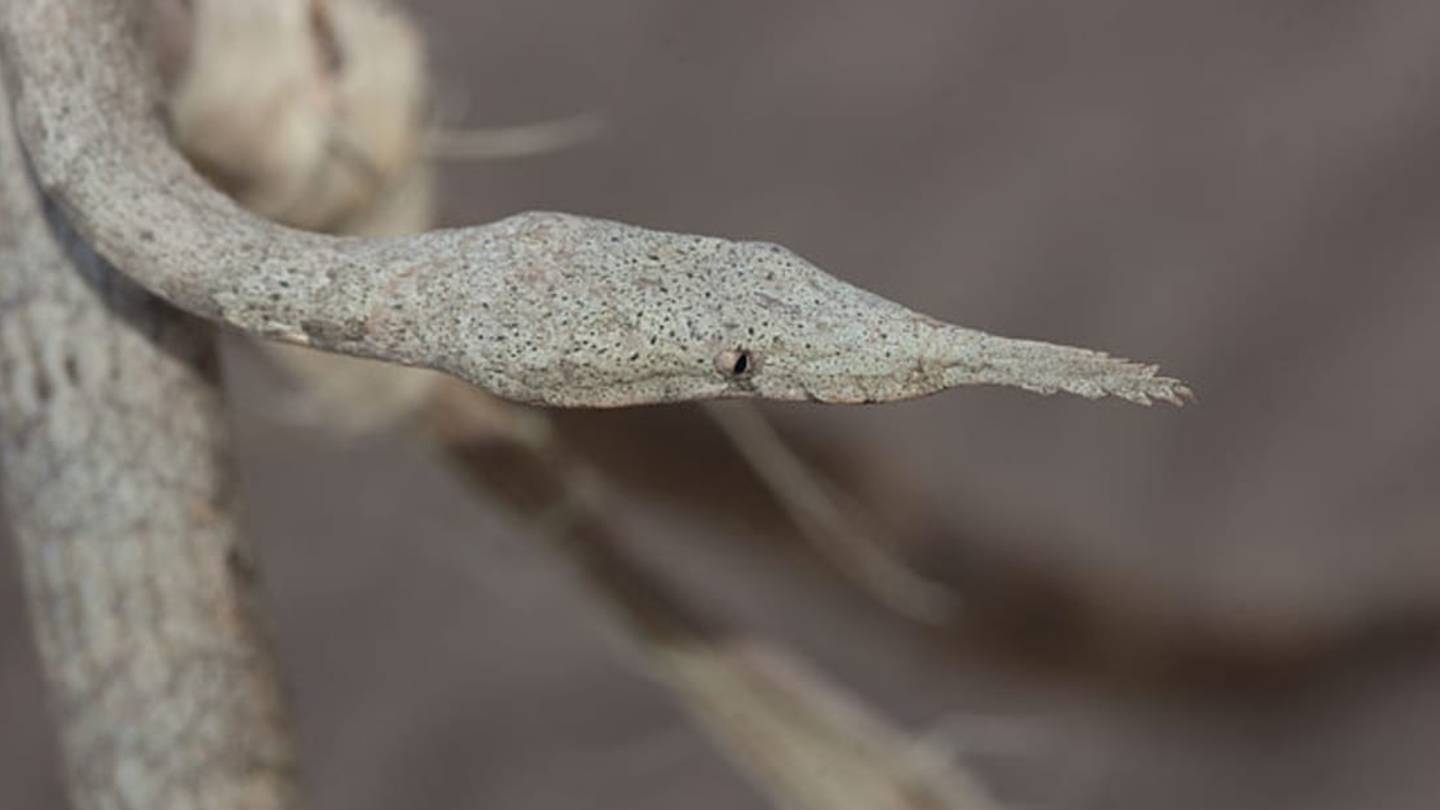
These strange-looking Madagascarian reptiles get their name from the distinctive scaly structures on their snouts. In females, these are jagged and leaf-shaped while those of males are long and tapered . The exact function of these appendages remains a mystery.Â
As the incomparable Sir David Attenborough explains in this clip, the North American queen snake dines exclusively on recently-moulted crayfish: a highly-specialized diet which renders them particularly vulnerable to water pollution.
Should you ever happen to frighten a wild hognose , youâre in for a show! These toad-eating thespians will dramatically writhe on their backs before going completely limp and playing dead ⦠often going so far as to let their tongues dangle pathetically from their gaping maws.
The knobby appendages which give the aquatic predator its name are actually motion detectors which aid in the capture of its fishy prey, as Scientific American explains in the clip above.
Transforming themselves into living parachutes, these Asian gliders flatten their bodies before leaping from tree limbs when startled, showing off some majestic mid-air slithering in the process.
These infamous snakes (along with a few other species) are of academic significance because of a curious reproductive strategy used by some females: their reproductive system enables them to reproduce without mating by way of an amazing phenomenon called âparthenogenesis." Remarkably, some will choose to do so even when males are present.
A tiny pinkish North American burrower, the primitive worm snake is almost never seen on the surface, preferring to hunt subterranean earthworms to which it bears an uncanny first-glance resemblance.
Monster Fish Keepers
Wrinkled and baggy, the loose skin of this aptly-named river-dweller actually helps it capture slippery fish : the sharp scales it contains dig into the victim, preventing escape.
No reptile actually grows hair, but this African viperâs frayed scales certainly give it a manic appearance.
As its common name suggests, the spider-tailed viper has evolved a series of thin, wispy scales on its tail which, when wiggled, look enticingly spider-like to its arachnid-guzzling prey:
Although one of the worldâs most venomous snakes, these semiaquatic creatures have a generally passive demeanor (even when handled), preferring to reserve their poison for the various fish they dine upon.
Loading recommendations... Please wait while we load personalized content recommendations