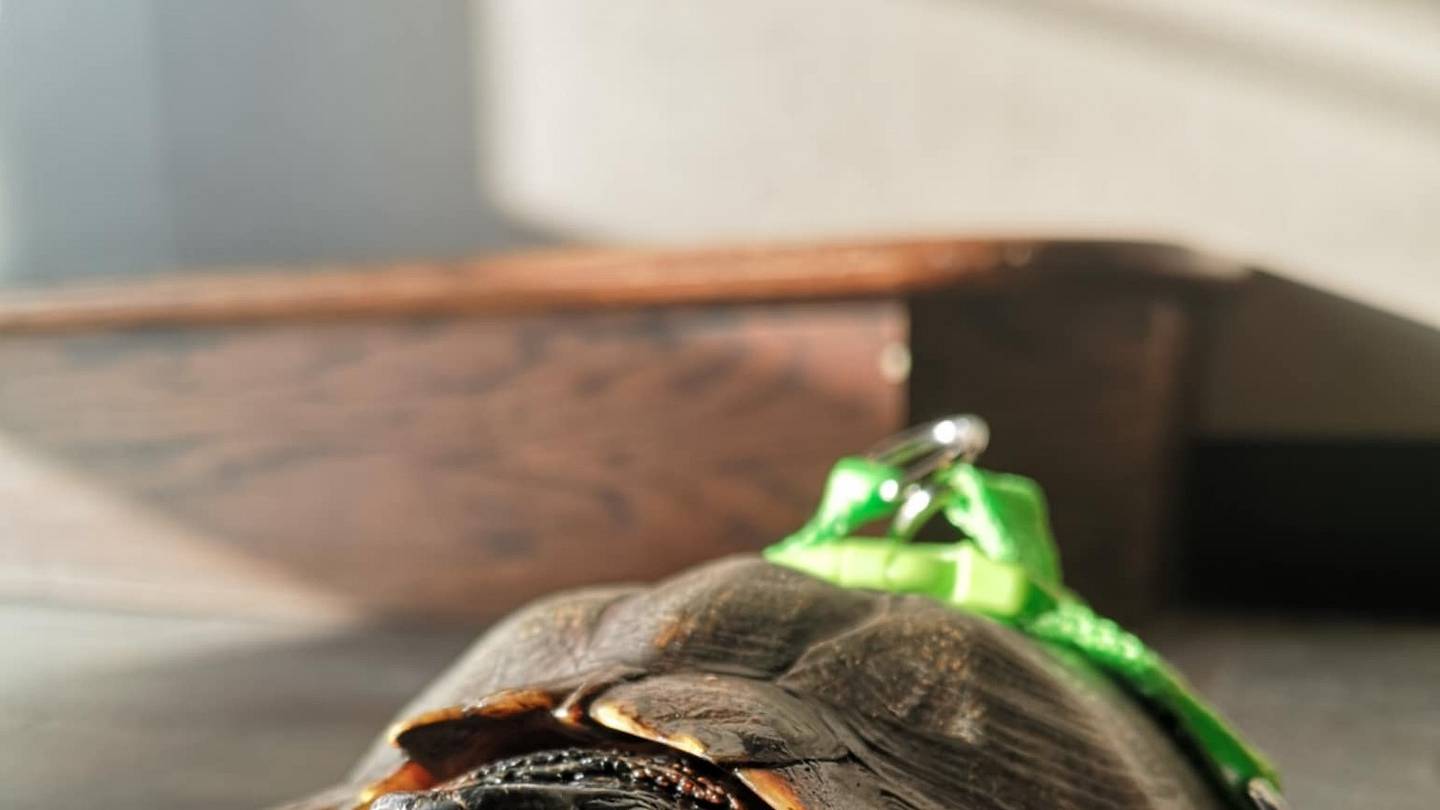
LEGO can be used to build accurate-sounding instruments , video game characters, and even fake plants . In the latest example of LEGO creativity, Canadaâs Museum of Natural History in Halifax, Nova Scotia, is using the building blocks to help its three-footed turtle move around more easily.
According to CBC , Root the wood turtle is missing a front foot. Workers at the museum saw that the little guy had trouble getting around when they removed him from his enclosure to get some fresh air. Heather McKinnon Ramshaw, an animal physician who works at the Canadian museum, told the CBC that the right side of Rootâs shell was âclunkingâ down because of his missing appendage.Â
Eventually, the employees saw the damage done to the reptileâs shell and decided to do something about it. The goal was find a way to elevate Root, and thatâs where Tessa Biesterfeld, one of the museumâs naturalist interpreters, came in. She initially tried making something out of medical tape, small wheels, and a bandage, but the workers werenât enthusiastic about sticking something to Root whenever he needed to get out of his cage.Â
Inspired by a previous museum exhibit featuring LEGO, Biesterfeld then suggested making a mobility device from the building blocks. The final product consists of a LEGO platform sewn to a removable dog harness, with wheels at the bottom that allow the turtle to roll forward. Biesterfeld tells CBC that the toys are ideal because theyâre non-toxic, and they can be adjusted as Rootâs shell changes.Â
The employees arenât sure how Root lost his appendage, but they can see heâs now enjoying his mobility aid. You can watch him scoot around in the YouTube Short above.
The Shubenacadie Wildlife Park handed Root off to the Museum of Natural History due to his slightly aggressive behavior toward other turtlesâheâd often guard the food bowl and wouldnât let others eat. Root now gets to enjoy life in his own private enclosure when heâs not out and about.
Read More About Animals: