What do pandas, lions, harp seals, and polar bears have in common? Theyâve all been used to win sympathy (and funds) for animal conservation organizations. With their big eyes, fluffy babies, and endangered habitats, these " charismatic species " are surefire wallet openers.
The problem with picking cute or cuddly species to save is that everyone else can get left out. And itâs a problem that extends beyond conservation. Researchers now say that âuglyâ mammals in Australia get far less scientific attention than their more charming counterparts. The study was published March 6 in the journal Mammal Review .
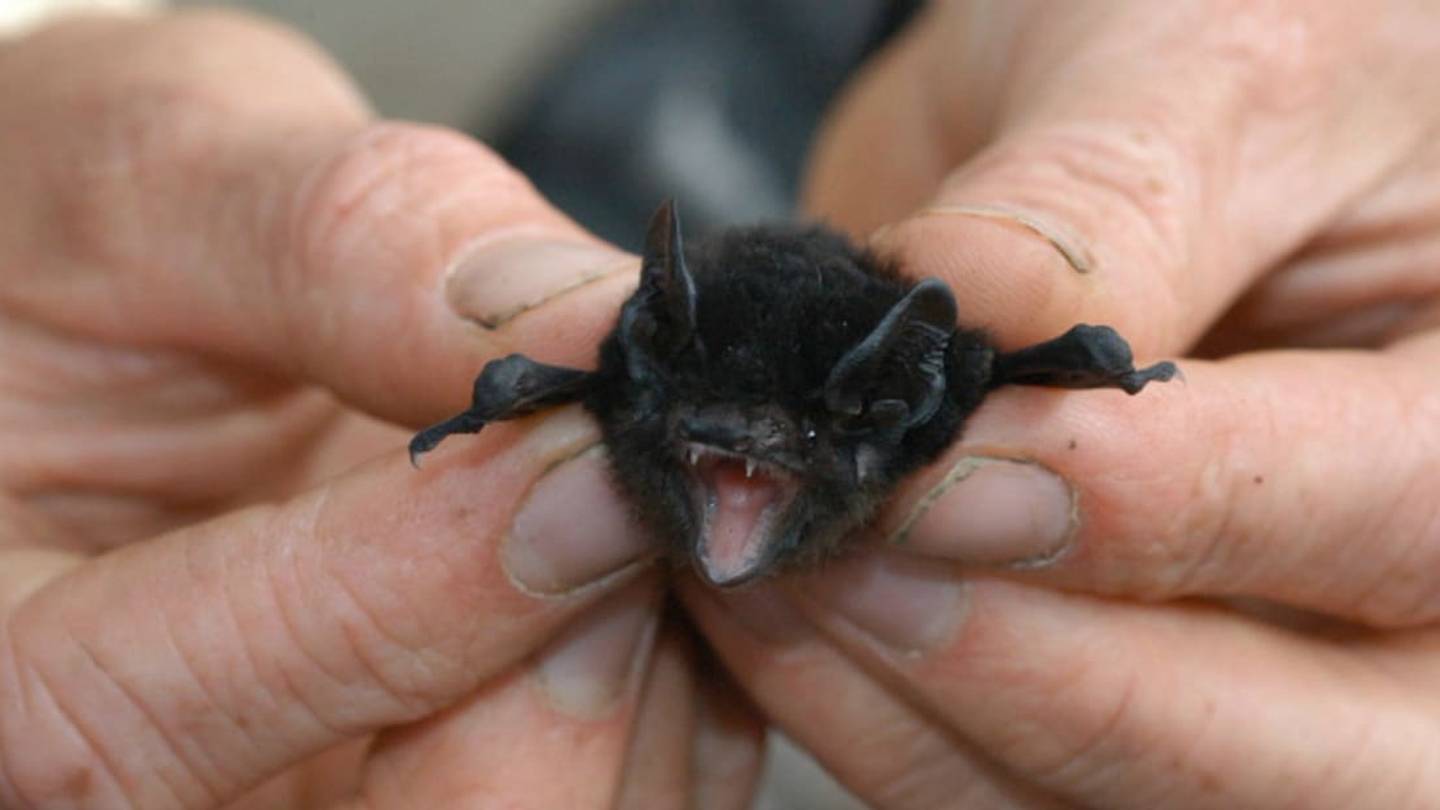
Scientists compiled a list of 331 Australian land-based mammal species, which they categorized as the âgood,â the âbad,â and the âuglyâ based on their estimates of public and scientific perceptions. As youâd expect, the âgoodâ ones were koalas, kangaroos, and their relatives. âBadâ animals were introduced and invasive species like rabbits and foxes, and âuglyâ animals were native rodents and bats like the adorable specimen pictured above (hey, ugly is subjective).
The researchers then searched the academic literature from 1900 to the present day, looking for papers on any of the 311 species. They analyzed the resulting pile of 14,248 papers to determine which species had been studied and how often.
A clear imbalance emerged. Studies on the âgoodâ animals focused mainly on their anatomy and physiology, while those on the âbadâ animals were more interested in eradication and population control. The âuglyâ animals were more or less ignored: despite making up more than 45 percent of the species list, bats and rodents only appeared in 1587 of the more than 14,000 papers.
"We know so little about the biology of many of these species,â lead author Patricia Fleming said in a press statement. âFor many, we have catalogued their existence through genetics or taxonomic studies, but when it comes to understanding what they eat, their habitat needs, or how we could improve their chances of survival, we are very much still in the dark. These smaller animals make up an important part of functioning ecosystems, a role that needs greater recognition through funding and research effort."
Loading recommendations... Please wait while we load personalized content recommendations