Artists have a way of encapsulating the essential truths of life the way those of us without creative genius cannot. Phaidonâs latest book, Art is the Highest Form of Hope , brings the wisdom of visual artists to the public, collecting some of the best quotes from the art world.
You donât have to be an artist to appreciate the sage advice offered by icons like Jackson Pollock or Frida Kahlo. Nor do they all apply just to making art. Theyâre arranged in categoriesâmore than 40 in allâlike âAdvice,â âChildhood,â âArt School,â âFailure,â and âMoney.â The pithy quotes were thoroughly researched by the Phaidon team and came from diaries, letters, notebooks, interviews, books, and even Twitter, ensuring a little more accuracy than the random inspirational posts that circulate the internet.
Besides the title quotation from German painter Gerhard Richter, other artists whose wisdom is collected in the relatively small volume include everyone from Vincent van Gogh and Paul Cézanne to more modern artists like Ai Weiwei, Jenny Holzer, and Theaster Gates.
Here are a few inspirational adages from the book.
In 1823, the French Romantic artist wrote in his journal: âCultivate a well-ordered mind, itâs your only road to happiness; and to reach it, be orderly in everything, even in the smallest details.â
You donât need to go out of your way to hear Yoko Onoâs wisdom. In March 2016, she tweeted , âDonât get rid of negative emotion, but just use it ⦠like the salt in your food.â
American landscape painter April Gornik has some advice for the meek and self-effacing: âDonât pretend that youâre not proud of your work.â
The British painter Francis Bacon, who died in 1992, was one to embrace the randomness of the world around him. New York Times art critic Michael Kimmelmanâs 1998 book Portraits: Talking with Artists at the Met, the Modern, the Louvre, and Elsewhere quoted Bacon as saying, âI believe in a deeply ordered chaos and in the rules of chance.â
The Modern artist Robert Rauschenberg, winner of the 1993 National Medal of Arts, among other honors, advised trusting the journey. âI donât know where Iâm going but Iâll get there on time,â he told The New Yorker in 2005. He died in 2008.
Vincent van Gogh had similar guidance to Rauschenbergâs: âOne must go on working silently, trusting the result to the future,â he advised.
The contemporary New York City artist has some decent advice for anyone whoâs chafing at a soulless day job. âFind something to do that will make you some money, that can support your art, and that you can become good at so you can make a decent wage and that you donât actually hate,â she said.
If youâre going to trust in the process, though, youâd better do it with a heavy dose of faith, according to Gerhard Richter. âI believe that you always have to believe,â he said in a 2011 interview.
âSuccess is dangerous,â the incredibly influential Cubist Pablo Picasso said in a 1956 interview with Vogue . âOne begins to copy oneself, and to copy oneself is more dangerous than to copy others.â
Most successful artists have experienced some degree of failure, whether itâs years spent trying to achieve a moderate degree of fame or a flop of a project after they do become well-known. âThe only thing we can do is honestly learn from our falls,â the world-famous Chinese artist and activist Ai Weiwei says.
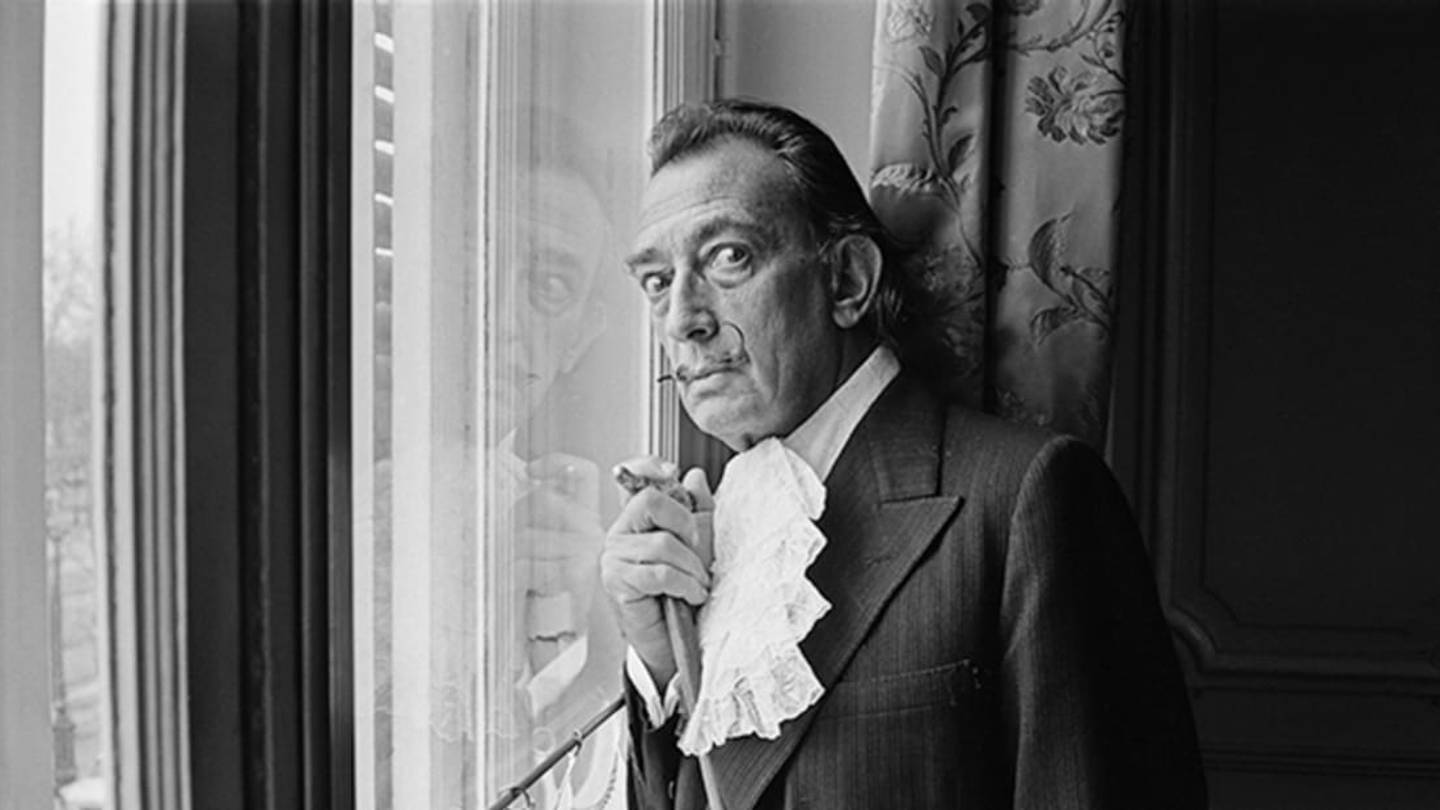
Ai Weiwei isnât the only artist who has preached embracing failure. âMistakes are almost always of a sacred nature,â according to remarks from Salvador DalÃâs diary.
Californian artist Andrea Zittel, who specializes in installations and sculpture, also cautions against being too fearful of future stumbles. âYou have to learn to feel confident about the prospect of failing because itâs so inevitable,â she said in a 2001 interview with Bomb .
âInspiration is the beginning the middle and the end,â according to abstract expressionist Agnes Martin, who died in 2004 in New Mexico.
All artists have different ways of sparking inspiration, but 20th century photographer Diane Arbus had this practice: âI like to put things around my bed all the time,â she explained at a lecture in New York City in 1970. âPictures of mine I like and other things, and I change it every month or so. Thereâs some funny subliminal thing that happens. It isnât just looking at it. Itâs looking at it when youâre not looking at it. It really begins to act on you in a funny way.â
While the creative life might be vital, itâs important to have priorities that include the world at large, according to 20th century Swiss artist Alberto Giacometti. âIn a burning building, I would save a cat before a Rembrandt,â he once remarked. And no, he wasn't saying he hated the Dutch master.
The book is $25 on Amazon .
Loading recommendations... Please wait while we load personalized content recommendations