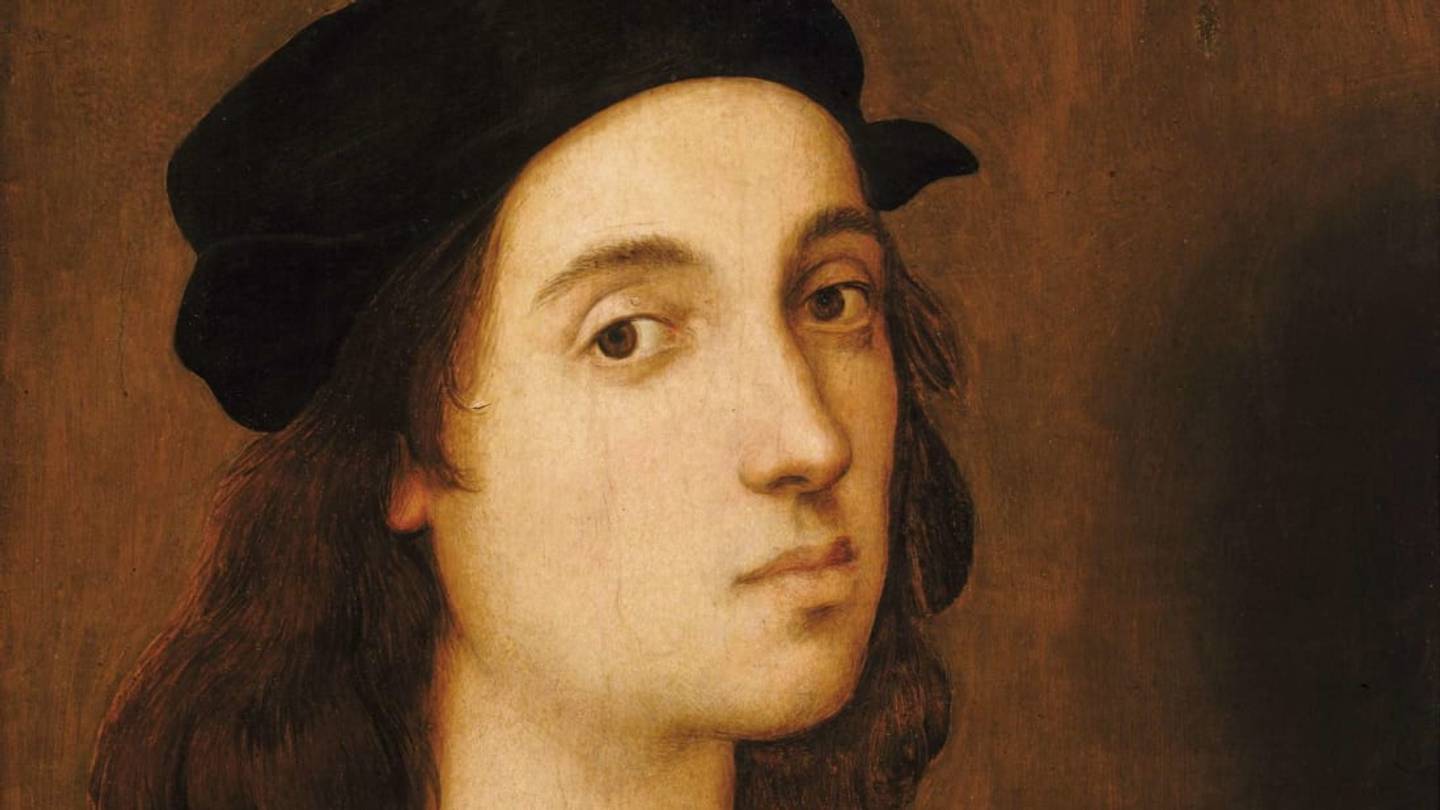
On April 6, 1520, Italian painter Raffaello Sanzio da Urbinoâbetter known as Raphaelâdied at just 37 years old from what was reported to be a fever. While the last 500 years have given rise to various theories about the details of this illness, the most popular explanation is that Raphaelâs excessive philandering led to a fatal case of syphilis.
His free-loving lifestyle wasnât exactly a secret, and painter Giorgio Vasari popularized the idea that this behavior was linked to his untimely demise in his 1550 book , The Lives of the Most Excellent Painters, Sculptors, and Architects :
But a new study published in the journal Internal and Emergency Medicine suggests that Raphaelâs fever was a symptom of pneumoniaânot venereal diseaseâand the doctorsâ ill-conceived attempts to treat the infection with bloodletting contributed to his death. Sources from the time state that Raphael had a high, continuous fever that lasted anywhere from eight to 15 days, which a disease like syphilis wouldnât typically cause.
âA recent sexually transmitted infectionâsuch as gonorrhea and syphilisâcould not explain the incubation period,â the study explains . âSimilarly an acute manifestation of viral hepatitis could not be considered without jaundice and other signs of liver failure.â
Since there are no records of any typhus or plague outbreaks in Rome from that time period, and because Raphael didnât appear to have any intestinal symptoms, University of Milan-Bicocca historian Michele Augusto Riva and other authors of the study landed on pneumonia as the most likely culprit. Though 16th-century physicians wouldnât customarily treat respiratory diseases with bloodletting, it seems that Raphael didnât give them much information to go on.
â[W]e are sure that bloodletting contributed to Raphaelâs death," Augusto Riva told The Guardian . "Physicians of that period were used to practicing bloodletting for the treatment of different diseases, but it would not generally be used for diseases of the lungs. In the case of Raphael, he did not explain the origin of the disease or his symptoms and so the physician incorrectly used bloodletting.â
Draining a patientâs blood while he fights off a high fever seems like a painfully dimwitted idea by todayâs standards, but it definitely wasnât the worst remedy that Renaissance doctors had in their arsenalâread about 11 other wild ones here .
Loading recommendations... Please wait while we load personalized content recommendations