For many small business owners, invoicing is a chore that eats into evenings and weekends. You’d rather spend that time delivering great work, winning new clients, or simply switching off, not retyping customer details or chasing overdue bills.
AI-generated invoicing takes repetitive admin jobs off your hands. By automating the dull but essential parts of billing, prep work can be sped up, mistakes reduced, and cash can keep flowing in while you still have full control over what gets sent and when. Because invoicing sits at the heart of your financial admin, streamlining it often has a knock-on effect across your entire bookkeeping process.
You finish a job, the client’s happy, and now it’s time to bill them. But instead of pulling up a blank invoice and retyping the exact details yet again, your software’s already on it. That’s the idea behind AI-generated invoicing.
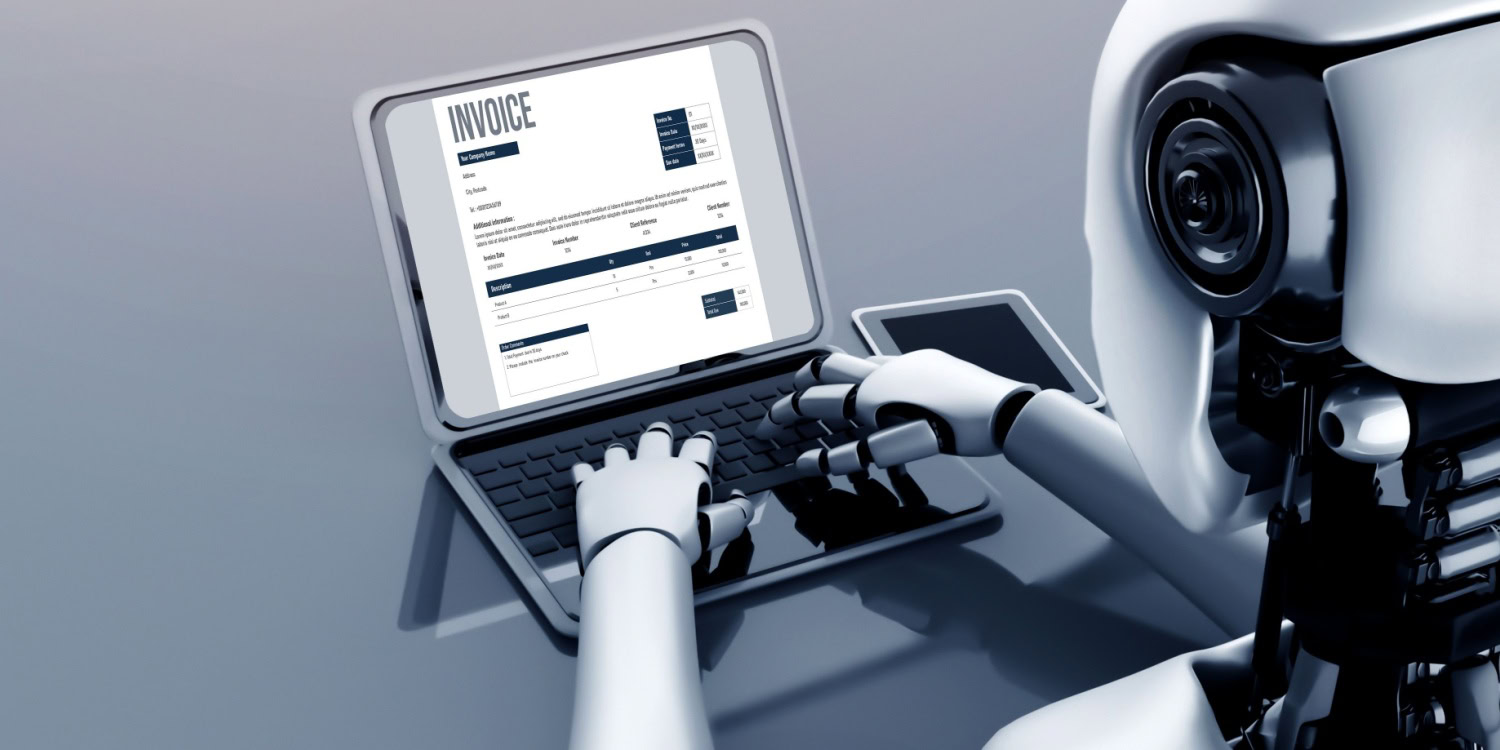
Simply, an AI-generated invoice is created automatically by your invoicing or accounting software. These tools use stored account data, templates, and pre-set logic to generate a draft invoice based on actions you’ve completed, such as finishing a job, approving a quote, or hitting a milestone. That means you don’t have to start from a blank page each time.
Typically, AI-powered bookkeeping software:
Some UK platforms offer e-invoicing, which involves emailing a PDF and sending the invoice directly into your customer’s accounting system via a network like Peppol . This avoids manually re-entering invoice details, reduces errors, and speeds up approvals.
Because invoicing is usually the trigger for other bookkeeping tasks , automating it saves you time and sets up the rest of your accounts to run more smoothly.
Bookkeeping is full of small, dependent tasks, and invoicing is often the first domino. Send an invoice quickly and accurately, and:
By using AI-powered invoicing, you’re smoothing the flow of your entire financial process . This makes it easier to stay on top of your books month by month, instead of scrambling at quarter-end or year-end. And that bigger-picture benefit is why it’s worth comparing what today’s AI-powered tools can do for you.
Here’s how traditional invoicing compares to AI-powered tools across the most common tasks:
Author's tip: For small but growing businesses, AI invoicing helps reduce admin load as your invoice volume increases. It also speeds up learning and cuts down on avoidable mistakes.
The table above shows where AI can outperform traditional invoicing in speed, accuracy, and follow-up, but those benefits only materialise if you pick the right platform for your needs. That means considering factors like business size, how many invoices you send, whether your clients will likely request e-invoicing, and how much control you want over tone and branding.
With those points in mind, here are four of the leading UK-ready contenders and the situations they’re best suited for:
Not every tool suits every business. You might prioritise ease of use and lower pricing if you’re a solo founder. If you’re part of a growing team, features like user permissions or advanced reporting may matter more. And be mindful of switching tools mid-financial year: it can create friction if records need migrating or reconciliations are already underway.
Convenience isn’t the only reason businesses are looking at AI accounting platforms. Policy , tax, and compliance trends are also nudging UK businesses toward digital-first invoicing, whether they’re keen or not. Two tailwinds, in particular, make this shift worth paying attention to now rather than later:
HMRC is gradually phasing in new rules that require businesses and self-employed people to keep digital records and use approved software for their tax returns. If you’re VAT-registered, you’re probably already doing this under Making Tax Digital for VAT . However, from April 2026, many sole traders and landlords earning over £50,000 need to do the same for Income Tax , and from April 2027, that threshold drops to £30,000. So if you’re still relying on spreadsheets or manual records, it’s worth getting ahead of the curve now.
In early 2025, the UK government launched a consultation to explore making e-invoicing more common across public services and private businesses. The goal? To eliminate human error and reduce admin on both sides. Suppliers to the NHS already have to use e-invoicing through Peppol, a secure system that we mentioned earlier, so it’s already happening in some sectors of the UK economy. If wider rules do come in, businesses already using compatible software will be in a much better place to adapt quickly.
These changes mean that even if your current process “works” for now, it may not be futureproof. Transitioning now lets you spread the learning curve over time instead of rushing to comply when deadlines hit.
The direction of travel is clear: invoicing is becoming faster, more automated, and more tightly integrated with compliance requirements. Even if your current approach feels “good enough”, it may not be sustainable in the face of new rules and client expectations. Moving to AI-generated invoicing early removes decision pressure and gives you time to develop confidence in your system, so you never dread budget meetings or deadlines again.
And remember, while invoicing can be automated, some paperwork still needs a human touch – especially when it comes to your company’s structure and legal foundations. That’s where we come in. From day one, we can set up your company correctly, giving you the framework to layer in automation like AI invoicing.
An AI-generated invoice is created automatically by your accounting software using stored client and job details, so you don’t have to start from scratch.
AI invoicing saves time because it automates tasks like creating invoices, sending payment links, and chasing overdue bills, reducing manual work and errors.
With HMRC’s Making Tax Digital rules expanding and e-invoicing likely to grow, AI invoicing helps you stay compliant and future-ready.