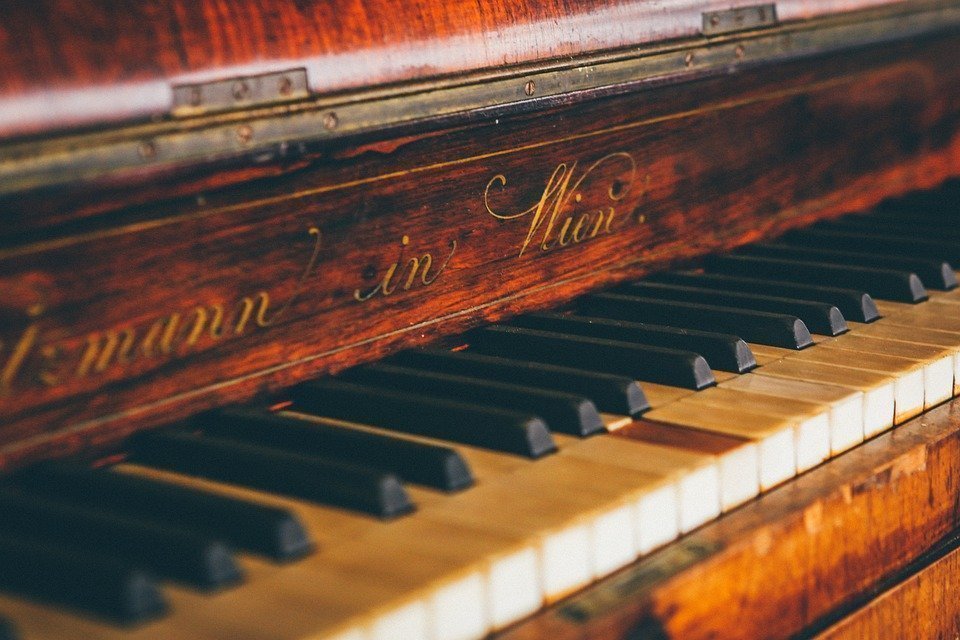
For many fans, the music from anime shows holds a special and important place in their hearts. The emotional depth, catchy melodies, and musical timbres often make anime songs not only pleasing to hear, but fun and exciting to play on the piano.
One of the best aspects of anime music is its ability to express a wide range of emotions, from action to intimacy to heartbreak and joy. Many of these songs have become deeply associated with key moments in stories, making them uniquely meaningful.
Learning how to play famous anime songs on piano is a richly rewarding experience. In this article, we will explore some of the best anime songs to learn on piano and discover some tips and strategies you can use to practice today!
Anime songs are a unique blend of different musical genres, ranging from pop and rock to classical and jazz. This diversity makes them a valuable addition to any pianist’s repertoire. Let’s explore a few reasons why you should consider learning and adding some easy piano songs from anime to your repertoire.
Many anime songs evoke strong emotions and memories. Playing these songs on the piano can bring back those feelings and create a deep connection with the music.
For example, playing “One Summer’s Day” from Spirited Away can transport you back to the enchanting world of the film, while “Unravel” from Tokyo Ghoul might evoke the intense emotions of the series.
Anime music often incorporates complex arrangements and diverse musical elements. This can help improve your technical skills and introduce you to new playing styles.
For instance, the intricate fingerwork required for “Tank!” from Cowboy Bebop can improve your dexterity, while the sweeping melodies of “My Dearest” from Guilty Crown can help you develop expressive playing.
The varied tempos, rhythms, and dynamics found in anime songs can challenge you to develop better finger coordination, timing, and expressive playing.
Learning to play these songs can enhance your overall musicianship and make you a more versatile pianist. For example, the dynamic contrasts in “Again” from Fullmetal Alchemist: Brotherhood can help you practice playing both softly and powerfully, while the rhythmic complexity of “Guren no Yumiya” from Attack on Titan can improve your sense of timing.
Learning anime songs on the piano can also deepen your appreciation for Japanese culture and music. Many anime soundtracks are influenced by traditional Japanese music, and playing these songs can give you a better understanding of these cultural elements.
For instance, the use of pentatonic scales and traditional instruments in some anime soundtracks can introduce you to new musical concepts.
Playing anime songs can also be a great way to connect with other anime fans and musicians. Sharing your performances on social media or at anime conventions can lead to new friendships and collaborations.
Additionally, there are many online communities and forums dedicated to anime music where you can find sheet music, tutorials, and advice from other pianists.
Anime music offers a treasure trove of beautiful and iconic songs that are perfect for the piano. Let’s explore 10 of the best anime piano songs so you have some ideas for where to start with this project. Most of these songs are relatively simple, but have their challenging moments like many of the hardest piano songs . They are well suited to intermediate to advanced pianists, but you can likely find simplified versions.
“Again” is the opening theme for the anime Fullmetal Alchemist: Brotherhood . Sung by Yui, this song captures the intensity and emotion of the series. The song’s lyrics reflect the themes of determination and struggle central to the anime’s story.
The song’s dynamic range and powerful melody make it a compelling piece to play, with both energetic and softer sections that challenge your expressive playing. The song’s structure, which alternates between calm verses and powerful choruses, can help you practice dynamic contrast and emotional expression.
“Unravel” is the hauntingly beautiful opening theme for Tokyo Ghoul . Sung by TK from Ling Tosite Sigure, the song is known for its emotional depth and intricate composition. The song’s lyrics and melody capture the protagonist’s internal struggle and transformation.
“Unravel” features rapid fingerwork and dramatic dynamics, making it a great piece for improving your technical skills and emotional expression. The song’s complex harmonies and fast tempo can challenge your finger coordination and dexterity.
“Blue Bird” is one of the most popular opening themes from Naruto Shippuden , performed by the band Ikimono Gakari. The song is upbeat and energetic, reflecting the adventurous spirit of the series.
The song’s upbeat tempo and catchy melody make it a fun and energetic piece to play, perfect for practicing rhythm and coordination. The song’s repetitive motifs and rhythmic drive can help you develop a strong sense of timing and pulse.
This powerful opening theme from Attack on Titan is known for its epic and grandiose sound. The song captures the intense and dramatic atmosphere of the anime, with lyrics that speak to themes of struggle and resistance.
The intense and dramatic composition of “Guren no Yumiya” provides an exciting challenge for pianists, with its fast tempo and powerful chords. The song’s rhythmic complexity and driving tempo can help you develop a sense of urgency and intensity in your playing.
Composed by Joe Hisaishi, the theme from “Howl’s Moving Castle” is a beautiful and enchanting piece that captures the magic of the film. The piece is known for its lyrical melody and rich harmonies.
The soothing and melodic nature of this piece makes it perfect for practicing lyrical playing and developing a gentle touch. The song’s flowing melodies and lush harmonies can help you practice smooth, legato playing and dynamic control.
“Sadness and Sorrow” is a poignant and emotional piece from the Naruto soundtrack, often used in the series’ most touching moments. The piece is known for its simple, yet deeply moving melody.
The slow and expressive melody is ideal for practicing dynamics and emotional interpretation. The song’s simple structure and emotional depth can help you focus on expressive playing and developing a sensitive touch.
“Tank!” is the iconic opening theme for Cowboy Bebop , composed by Yoko Kanno and performed by the Seatbelts. The song is a high-energy jazz piece that captures the cool, stylish atmosphere of the anime.
The jazzy and energetic style of “Tank!” makes it a unique and fun piece to play, great for improving rhythm and finger dexterity. The song’s fast tempo and intricate rhythms can challenge your timing and coordination.
“My Dearest” is the opening theme for Guilty Crown , performed by the music group Supercell. The song is known for its dramatic and emotional melody, which reflects the intense emotions of the series.
The song’s dramatic and sweeping melody provides a wonderful opportunity to practice expressive playing and dynamic contrasts. The song’s rich harmonies and powerful choruses can help you develop a strong sense of musical expression.
Another masterpiece by Joe Hisaishi, “One Summer’s Day,” is the main theme from the beloved film Spirited Away . The piece is known for its gentle, flowing melody and soothing harmonies.
The gentle and flowing melody is perfect for practicing legato playing and developing a smooth touch. The song’s lyrical quality and simple structure can help you focus on expressive playing and developing a gentle touch.
The theme from “Clannad” is a beautifully emotional piece composed by Jun Maeda, known for its heartwarming and nostalgic feel. The piece captures the emotional depth and poignancy of the series.
The delicate and expressive nature of this piece makes it ideal for honing your emotional interpretation and dynamic control. The song’s simple, yet deeply moving melody can help you focus on expressive playing and developing a sensitive touch.
Learning anime songs on piano can be a rewarding experience, but it can also come with its own set of challenges. Let’s explore some tips and strategies you can use to learn anime piano songs, or any of the best piano songs for that matter.
Check out this medley video by PACIL, playing a compilation of 50 anime sounds on piano in a span of five minutes only. You can consider the hand movements and apply the same when practicing for your favorite pieces.
Learning anime songs on the piano, or any music from film, television, or video games, is a fun and rewarding experience. You can learn so much from practicing piano themes from popular shows and movies, including enhancing your technique, musicality, and expressive capabilities.
Platforms like Skoove make the learning process even more enjoyable and efficient, offering interactive lessons and real-time feedback. So why wait? Start your journey today by exploring some of the best anime piano songs and see how Skoove can help you along the way.
Author of this blog post: Susana Pérez Posada
Susana Pérez Posada, Master in Music Therapy, Skoove Piano Educator With over seven years in piano education and a deep passion for music therapy, Susana brings a unique blend of expertise to Skoove. A graduate in Music Therapy from SRH Hochschule Heidelberg and an experienced classical pianist from Universidad EAFIT, she infuses her teaching with a holistic approach that transcends traditional piano lessons. In her writings for Skoove, Susana combines her rich musical knowledge with engaging storytelling, enriching the learning experience for pianists of all levels. Away from the piano, she loves exploring new places and immersing herself in a good book, believing these diverse experiences enhance her creative teaching style.