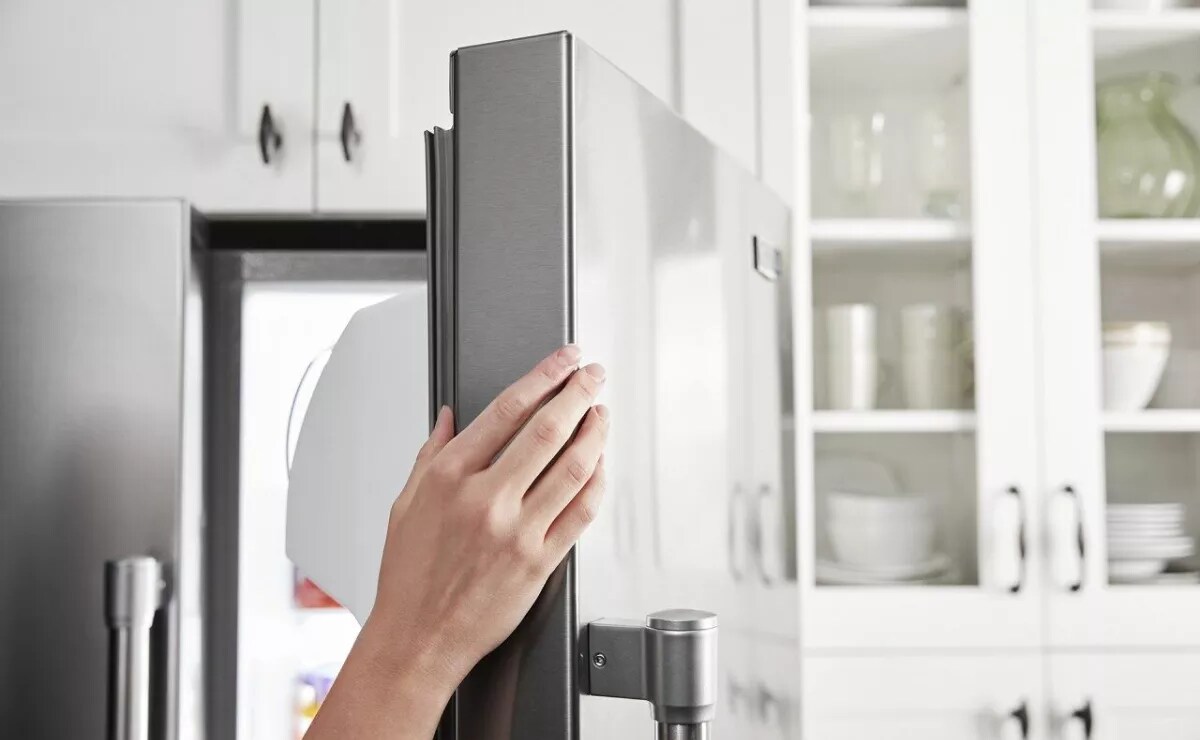
Refrigerators are an essential appliance you can rely on to store fresh and frozen foods. Your refrigerator will make noises naturally as this is a sign that it is operating properly. However, if you begin to hear unusual or loud noises this may indicate a larger problem that should be addressed immediately . Read on for further information on how to stop a refrigerator from making noise.
Different types of refrigerators make various noises, such as buzzing, cracking or popping, which are typically the result of normal function of the various parts . Listening carefully to determine which type of noise your unit is making will help determine whether or not further action should be taken.
Buzzing is typically caused by the refrigerator’s water valve opening in order to fill the ice maker and is a normal function that should not be a cause for concern. If your refrigerator is not connected to a water supply, you can turn off the ice maker to prevent the buzzing from occurring.
Excessive vibrating may be caused by the refrigerator not having been leveled properly . Check to make sure the floor is level and adjust the refrigerator leveling screws to ensure the feet lay firmly against the ground.
Rattling may be caused by the flow of water through the refrigerator’s water lines or by items placed on top of the unit . Check behind the unit for any excess tubing and fasten it to the refrigerator cabinet in order to quiet the sound.
Pulsating and whirring noises may be heard as the unit’s fans adjust to optimize performance while the compressor operates. This is a normal function.
Expansion and contraction of the inside walls of the refrigerator is a natural occurrence and may cause a cracking or popping sound. This is particularly true during the initial cool-down phase of the refrigerator and is nothing to worry about.
Hissing or dripping may be heard as the flow of refrigerant or coolant runs through the unit’s compressor and is no cause for concern.
Sizzling noises may be heard when water drips onto the unit’s heater during its defrost cycle. This is a normal function and is no cause for concern.
Ensuring that your refrigerator emits a minimal amount of noise will make your home more comfortable. Disconnecting your refrigerator’s ice maker in the absence of a water supply, leveling your unit properly , and securely fastening excess tubing are all examples of how to quiet a noisy fridge. For further assistance in assessing where your refrigerator’s noises are coming from, refer to Maytag brand’s troubleshooting guide or contact the Maytag customer support line at 1-800-344-1274.
Most refrigerator noises are the result of typical refrigerator functions. If you find that your refrigerator is making excessive noise and are unable to assess the source, it may be best to contact a professional.
Noise is sometimes caused by expansion and contraction of the refrigerator walls as the temperature drops at night. You can rest easy knowing this kind of sound is normal at night and shouldn’t cause concern.
Maytag ® refrigerators are designed to help keep your perishables in their ideal climate
If you’re ready to purchase a Maytag ® refrigerator , you can choose from several durable, long-lasting options.
Explore Maytag ® kitchen appliances designed to power through mealtime and cleanup and look good while doing it
Your subscription was successful
Thank you for signing up. Keep an eye on your inbox for our next newsletter.
Enjoy articles like this? Get helpful guides and appliance care tips sent straight to your inbox.