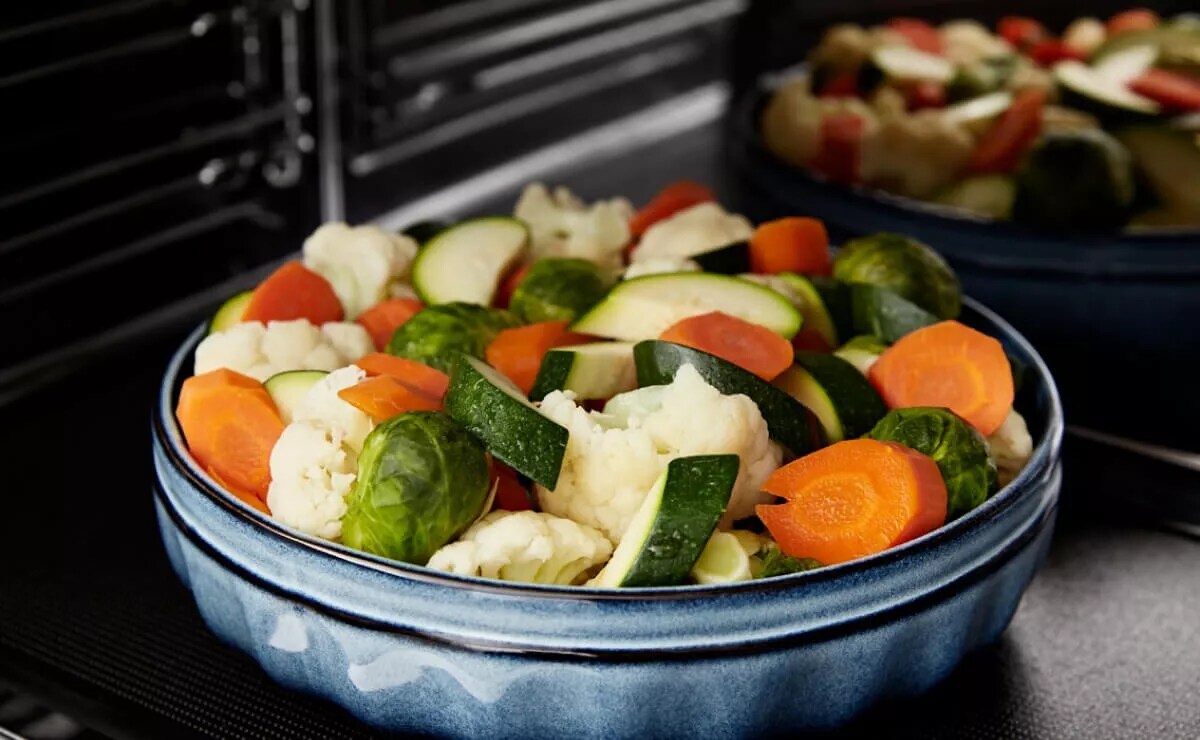
Need something easy for dinner that doesn’t make a mess or take up the whole evening? Whether you’re cooking carrots or fish , steam cooking helps keep things simple, healthy and low-effort—no fancy chef skills required. If lunch-packing or weeknight eats are just another box to check, this guide can help cut down the hassle so you can get meals on the table fast. Learn how steam cooking works, why it’s worth it, and how to get started in three simple steps—so you can cook, eat and get on with life.
Steam cooking is a method that uses heated water vapor to cook food without submerging it in boiling water. The result? Nutrients, flavor, and texture are often better preserved compared to boiling or frying. It’s a handy technique for simple, healthy meals—think tender veggies, flaky fish or lovely, fluffy rice.
Steaming food has a number of benefits that can make it worthwhile, including:
It helps retain vitamins and minerals better than boiling.
It helps preserve natural flavors and colors.
It is often fast and low-effort; most vegetables are ready in minutes.
It helps keep dishes light and satisfying and uses very little (if any) oil, which can be ideal for anyone keeping an eye on nutrition.
It helps keep clean-up minimal
If your goal is to get dinner done with less fuss and more nutrition, steam cooking is a solid option.
A useful kitchen range helps take the guesswork out of mealtime. Select Maytag ® ranges have features like the Simmer Burner, which provides from 800 up to 5,000 BTUs of precise, adjustable heat whether you need a delicate or full-power simmer to prepare your food. Other Maytag ® ranges feature Air-Powered Cooking Cycles, so you can cook with Air Baking, Air Roast, Air Broil and Air Reheat. A powerful third heating element circulates air throughout the oven cavity for consistent results—no matter the meal.
First, cut large items into uniform pieces to help them cook more evenly. Wash veggies first, then trim, season or marinade as desired. Steaming works well with fish fillets, chicken, dumplings, and most produce. Beginners can start with basics—broccoli, carrots, or asparagus.
Place ingredients in the steamer basket or rack.
Cover tightly, steam until food reaches desired texture—usually 3-10 minutes for veggies and up to 15 minutes for thicker proteins, but follow your recipe closely.
Check and replenish water if needed.
Season and serve right away. For extra flavor, dress steamed items with olive oil or lemon after cooking.
Microwaves can help make steaming hands-off and quick. Select Maytag ® microwaves include features like Sensor Cooking, which adjusts to the meal with ideal time on select presets for everything from popcorn to frozen vegetables. And Maytag brand’s Microwave Steaming Container helps you steam fish vegetables and rice quickly and easily in your microwave.
Steaming isn’t just for broccoli —this cooking method also works with:
Fresh or frozen veggies ( green beans , carrots, broccoli, cauliflower, etc.)
Fish (salmon, tilapia, cod, etc.)
Chicken or turkey slices
Dumplings, buns and lentils
Pumpkin, squash and potatoes
Cut all veggies and proteins into same-sized pieces to help promote even cooking.
Don’t cram the basket; leave space for steam to circulate.
Never let water touch the food; it should stay below the basket or plate.
Use parchment paper under dumplings to help prevent sticking.
For extra flavor, infuse the water with aromatics like herbs, garlic or ginger.
Set a timer; overcooked veggies lose their crunch and color. Most greens are ready in 3-5 minutes, but check your recipe’s instructions for exact times.
Steaming uses indirect heat from vapor, so the food tends to retain more nutrients versus boiling, where vitamins can often leach into the water. Steam helps keep greens vibrant and crisp; whereas boiling can sometimes make them pale, soggy and bland. For anyone losing patience with limp carrots or mushy cauliflower, steaming can be a great alternative.
Don’t have a steamer basket? Try using a metal colander over a pot of water instead. Or, your microwave can steam most vegetables, fish, or grains. Alternatively, you can try wrapping your food tightly in tinfoil, with a little water inside and putting it on a cookie sheet in the oven for a steamed effect on some foods. This method only works with nonacidic food and should not be used in a microwave.
Wall ovens can help you get it done when it comes to mealtime. Select Maytag ® wall ovens feature the Precision Cooking ™ System, which combines Precise Preheat, Precise Bake and Precise Broil functions to deliver quick, evenly cooked meals in your oven.
Check out these frequently asked questions about steaming and how to steam:
One of the easiest ways to steam food is to pour water into a pot, set a metal or bamboo steamer (or a colander) over the water, add your food, cover and heat until steam builds up. Additionally, microwaves often work well for quickly steaming food like broccoli or fish.
To generate steam on a stovetop, start with high heat to bring water to a boil. Once steam is flowing, you can reduce the heat to medium to keep water gently simmering underneath. Maintaining strong steam is key, but don’t let the water evaporate completely. Most steamed foods are cooking at the boiling point of water—at around 212 °F. Always check for doneness.
Yes—aluminum foil can substitute for a steamer in a pinch. Try tightly wrapping your food in foil with a little bit of water and putting it on a cookie sheet in your oven. This method only works with nonacidic food. Never use this method in a microwave.
Steaming food is for anyone who wants less kitchen drama and would rather get on with their day. It’s quick, low-maintenance, and helps keep nutrients, color and taste front and center. Whether working with stovetop setups, microwaves or wall ovens, steam cooking can fit right into busy lives—making it easy to wrangle dinner without slowing down.
This article includes AI-generated content that our human team has reviewed and edited to ensure quality.
Your subscription was successful
Thank you for signing up. Keep an eye on your inbox for our next newsletter.
Enjoy articles like this? Get helpful guides and appliance care tips sent straight to your inbox.