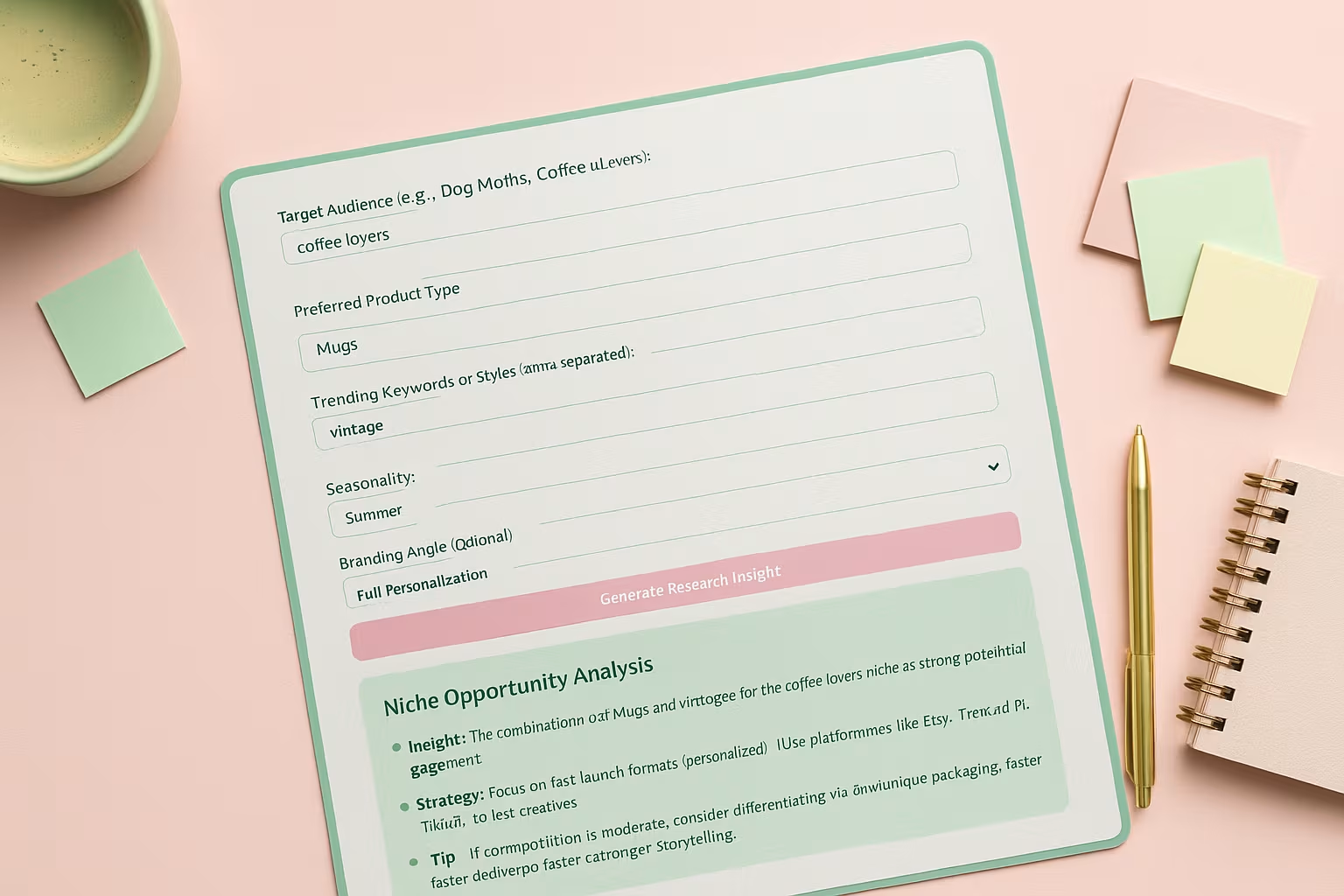
Choosing the right niche can make or break your print-on-demand business . That’s where the print on demand niche research tool comes in handy. It helps you cut through the noise and identify profitable , scalable ideas , fast .
This tool takes key business inputs like target audience , product type , trending styles , and customization level , then generates tailored insights for your niche strategy.
Whether you're launching on Shopify , testing on Etsy , or scaling through TikTok ads , this tool is designed to remove the guesswork and help you make smarter, data-informed decisions.
Each input field in the print-on-demand niche research tool is there for a reason. They’re not just form fields; they’re decision levers that experienced sellers use to evaluate whether a niche is viable, sustainable, and profitable.
This is the foundation of niche research. Specificity is key, “dog lovers” is too broad, but “rescue dog moms” is targeted and emotionally driven. The tool encourages hyper-focused audience definitions , which lead to higher engagement and better conversion rates.
Certain audiences align better with certain products . Coffee drinkers may prefer mugs. Fitness influencers might wear statement tees. Choosing the right product ensures your designs feel relevant and usable, not forced.
These give you insight into cultural aesthetics, memes, or emotional tones that are resonating right now . Including terms like “vintage,” “cozy chaos,” or “dark academia” helps map where your designs fit in today’s trend cycle.
Is your product evergreen, or tied to a seasonal trend? Knowin g this helps time your launch and adjust expectations around sales velocity and ad spend. The tool provides strategic nuance depending on what you choose.
Strong brands don’t just sell designs, they sell values. Whether your angle is empowerment , humor, or sustainability, this field helps you think beyond the design and into the story you're telling.
Generic designs scale quickly but can saturate fast . Personalized products have higher perceived value and lower competition but require more effort. The tool helps balance these tradeoffs.
Understanding how crowded your niche is sets expectations. A low-competition niche may be untapped , or dead. A high-competition one might still be worth entering if your product has a unique angle or design edge.
Finding a good niche in print on demand isn’t about copying bestsellers. It’s about connecting a passionate audience with a specific product, using designs that feel made just for them. Here’s how the research process should work, and how the tool supports it.
Broad categories in the pet product niche like "pet lovers" or "fitness fans" are oversaturated. Niche down into micro-audiences that have clear emotional buying triggers. Instead of targeting “dog owners,” consider:
Use the tool’s Target Audience field to describe your niche precisely. The more specific the audience, the easier it is to speak their language and design products that convert.
Print on demand works best when product choice aligns with how people express themselves . Mugs, hoodies, and phone cases work for different use cases.
A gym-goer might love tank tops with edgy slogans. A therapist might prefer a minimalist tote bag for daily use.
Use the Product Type dropdown to explore what suits your buyer’s lifestyle. High-perceived value + daily utility = better retention and higher repeat orders.
Most sellers wait until a trend is everywhere on Etsy or Amazon before jumping in. By then, margins are already squeezed.
The tool’s Trending Keywords or Styles field helps document and test terms you’re seeing early, on TikTok , Instagram, Reddit, or even customer DMs.
Keep an eye out for:
Plug those into the tool to see how they pair with your audience and product combo.
Seasonality can spike conversions, but only if planned correctly . Christmas, Valentine’s Day, and Graduation season are obvious, but don’t overlook:
Use the Seasonality field to tag your niche. The tool adjusts its recommendations based on time-sensitive opportunities or evergreen potential.
Private labeling isn’t just about slapping your logo on a product , it’s about telling a story. Whether your angle is sustainability, empowerment, sarcasm, or wellness, your niche should reflect that.
Pairing this with customization options gives you room to charge more and stand out. For example:
Use the Branding Angle and Customization Level inputs to see how your niche responds to different positioning strategies.
The value of the Print on Demand Niche Research Tool lies in its ability to make you think like a brand , not just a seller. It turns fragmented inputs into a strategic niche snapshot with:
Here’s a real example:
Tool Insight: The combination of vintage design and full personalization on mugs appeals strongly to coffee lovers. This is coffee niche blends aesthetic with function, making it ideal for TikTok or Instagram Reels.
Even with moderate competition, launching early with lifestyle mockups and summer-themed packaging could yield strong engagement.
Even experienced sellers fall into traps that this tool helps avoid:
Loving anime or astrology doesn’t mean there’s a market for your design style . Use tools (this one included) to validate buyer interest, competition, and potential positioning.
A shirt that says “Cat Mom” won’t stand out. But “Introverted Cat Mom Who Drinks Matcha”? That gets clicks. Specificity converts . Always niche down your messaging.
Trendy isn’t always practical. A r ugged biker probably won’t buy a pastel tote bag. The tool helps map product selection to real-world behavior.
Generic stores look forgettable. Personalized POD products with clear brand tone and aesthetic (like motivational sarcasm or pastel minimalism) create repeat customers.
The best POD businesses don’t stop at one niche. They blend audiences and design styles to form "niche clusters", overlapping groups with shared values or tastes. For example:
This clustering strategy lets you scale horizontally without building a totally new store or audience. It also makes ad testing easier: you’re iterating, not reinventing.
Use the tool to play with inputs across different combinations and spot where overlap might create a scalable niche cluster.
The difference between a slow month and a 6-figure year often comes down to niche strategy. The print on demand niche research tool gives you the clarity to avoid saturated markets, test smarter, and build something that actually resonates.
Use it before launching a new product, updating your brand direction , or validating your next TikTok design idea. It’s fast, intuitive, and rooted in how real consumers shop.
Find answers to all of your unanswered questions
Explore our Help Center for detailed answers, expert advice, and step-by-step guides.