Color-bleed stains from the wash can catch even the most careful laundry doers off guard. Fortunately, there are a few reliable ways to help spot treat stained clothes and possibly save your favorites.
Use this guide for tips on how to remove dye stains from clothes using oxygen bleach , vinegar or detergent, then discover laundry tips for treating whites and preventing future color mishaps.
Color-bleed stains can be particularly stubborn, especially if the garment has already gone through the dryer. Heat can set the dye, making it much harder to remove. The key is to act fast. If you catch the stain early, you may be able to lift it before the dye settles deep into the fabric.
When dye transfer happens, treat the stains as quickly as possible, ideally before the clothes go through the dryer where heat can lock them in. Pretreating before rewashing boosts your chances of removing the stains for good. Below, explore three pretreatment methods using oxygen bleach, vinegar, and enzyme-based detergent or stain remover.
Oxygen bleach —sometimes called non-chlorine or color-safe bleach—is a gentler alternative to chlorine bleach. Made from hydrogen peroxide and sodium carbonate, it can be helpful for everyday stains without harsh fumes and is usually safe for most colored fabrics. Check your care tags and perform a spot test to make sure your fabric can handle it, then follow the steps below to help remove dye transfer from clothes.
Vinegar can be a budget-friendly, readily available option for tackling stains and odors, but it shouldn’t go straight into your washing machine. Direct use can damage your washer over time. Instead, use vinegar as a pretreatment , then rinse garments thoroughly before you wash them. After performing a quick spot test to make sure your clothes can handle interactions with vinegar, follow the steps below to help treat color-bleed stains.
If you decide to machine-wash your garment after treating it with vinegar, be sure to air-dry it afterward. This helps prevent any remaining stain from setting before you’re certain that it’s completely gone.
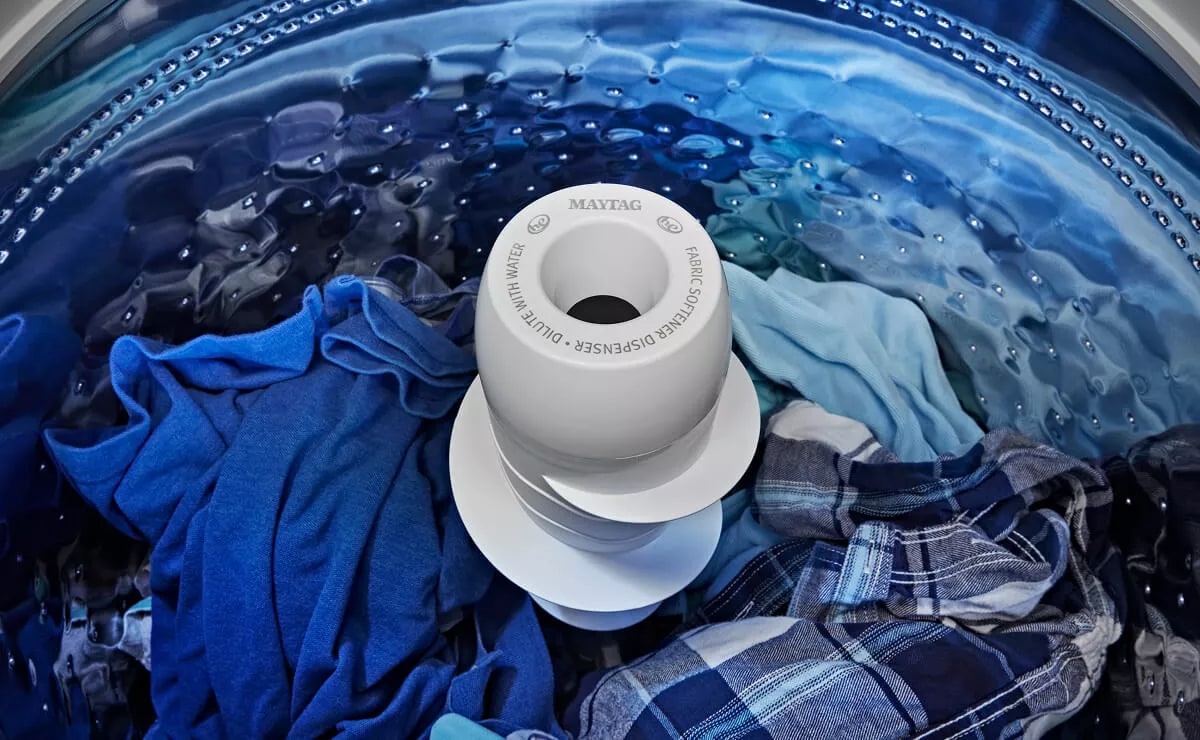
Maytag ® washers with Extra Power give clothes an intense pre-wash and extra agitation to help wash stains away
An enzyme-based detergent or stain remover may help give stain fighting a boost when you’re dealing with dye transfer residue. The enzymes in detergent speed up the chemical reactions that help break down stains and grime, helping lift unwanted color transfer during pretreating. Follow the steps below to pretreat your clothes with an enzyme-based detergent or stain remover.
Swash ® Laundry Detergent 1 is designed with zero phosphates and 8x the concentration, so you can keep your things clean and use only what you need—no more, no less. Plus, the Auto-Stop Top will stop automatically when you have the right amount. So there’s no guess and no mess.
Stains tend to stand out more on white clothes , making treatment feel even more urgent. For white, cotton-based garments, pretreating or washing with chlorine bleach may be especially effective. Follow the steps below to help lift color transfer stains from your whites. Always check your care labels and spot treat your garment in a small area first, to be sure the fabric can handle the treatment.
Step 1: Start by separating the stained white items from the rest. Place the affected cotton garments back into the washer, then add ½ cup of chlorine bleach—either directly into the drum or the bleach dispenser (check your washer’s manual for specific instruction on adding bleach). Wash as you normally would.
Step 2: If rewashing with chlorine bleach doesn’t fully remove the stains, try soaking the affected items. Mix 1 gallon of water with 3 tablespoons of chlorine bleach and fully submerge one garment at a time for up to 5 minutes. If the stain lingers, give it another 5-minute soak before rinsing.
Step 3: If all traces of dye are gone, wash your clothes according to their care tags, then air-dry to help avoid setting any unnoticed and lingering stains in the dryer.
Removing dye transfer stains from clothes can be tough, so preventing them in the first place can save you time and the hassle of stubborn stain treatment. Discover tips below that may help you avoid dye transfer stains in the washer.
Sort laundry thoroughly: Take extra time to ensure your clothes are properly sorted by whites, lights and darks before you add them to the washer.
Check colorfastness: Testing clothes for colorfastness—or how well your garment can retain its color without running—can help you find out if items may be prone to loose dyes.
Clean the washer drum: If it’s been a while, consider cleaning out your washer before you rewash stained clothes or add a new load to the washer.
Maytag ® washers and dryers offer convenient features and powerful cycles to help you keep laundry day moving. The Built-in Water Faucet on select Maytag ® top load washers allows you to rinse, spot treat or soak clothes right in the washer—no extra steps needed. After three hours, the water drains, leaving clothes ready for the wash cycle. And, on select Maytag ® dryers , Advanced Moisture Sensing monitors inside moisture and air temperatures to help evenly dry loads.
1. Swash and the recommending brands are owned and distributed by Whirlpool Corporation.
Your subscription was successful
Thank you for signing up. Keep an eye on your inbox for our next newsletter.
Enjoy articles like this? Get helpful guides and appliance care tips sent straight to your inbox.