by Jose Geraldes | Jun 26, 2026 | Pick and Profit Updates
Most people losing money on traffic do not have a traffic problem. They have a page problem. If you are stuck on capture page vs sales page, the real issue is simple: you are asking for the wrong action at the wrong time.
That mistake costs leads, sales, and follow-up opportunities every single day. A visitor who is not ready to buy may still be ready to enter an email. A visitor who is ready to buy does not want to be slowed down by extra steps. When you understand the difference, your funnel gets cleaner, your message gets stronger, and your traffic has a better chance to pay you back.
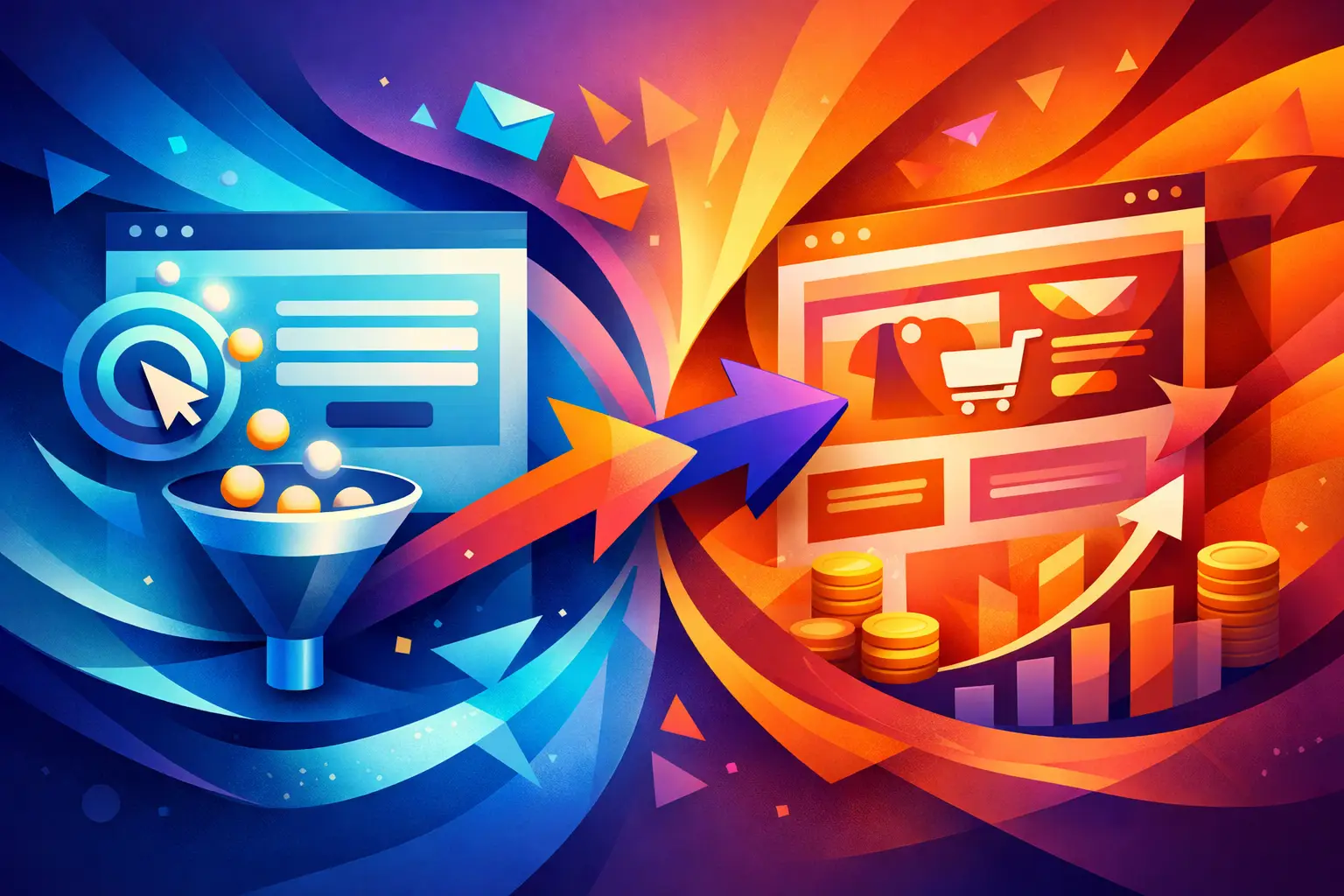
A capture page is built to collect contact information, usually an email address. A sales page is built to close a sale or push a direct buying decision. That is the big difference, and it matters more than most beginners realize.
A capture page usually offers one simple next step. It might promise a free guide, a video, a webinar, a checklist, or access to a business opportunity presentation. The goal is not to explain everything. The goal is to create enough curiosity and value for the visitor to raise their hand.
A sales page works differently. It is there to handle objections, build belief, explain benefits, present the offer, and ask for payment or commitment. It needs more detail because the action is bigger.
Think of it this way. A capture page starts the relationship. A sales page tries to monetize it.
That does not mean one is better than the other. It means each one has a job. If you mix those jobs together carelessly, conversions usually drop.
If your audience is cold, a capture page often makes more sense first. Cold traffic does not know you yet. They have no reason to trust you, and most are not prepared to buy on the first click.
That is why list building matters so much in online business. Once you have the lead, you can follow up by email, educate them, send testimonials, present offers, and stay in front of them until timing lines up. If you skip that step and send every click straight to a sales page, you are betting everything on one moment.
That can work, but it is usually not the highest-leverage move for beginners or for opportunity-based offers.
A strong capture page is short, focused, and easy to understand. It usually has a headline that promises a result, a subheadline that adds clarity, and a simple opt-in form. The best ones remove friction. They do not try to explain the whole business model in ten paragraphs before asking for an email.
For someone building an income stream online, this matters because your email list becomes a long-term asset. Traffic comes and goes. Algorithms change. Ad costs rise. A list gives you a second chance to monetize the same lead.
A sales page is the better choice when the visitor already has buying intent. If they clicked because they already understand the offer, already trust the source, or are returning after seeing your emails or follow-up content, a sales page can convert well.
This is especially true with warm traffic. If people have already watched your presentation, seen proof, and understand the benefits, sending them to a capture page can actually slow them down. At that stage, they want the details, the price, the reason to act now, and a path to buy.
A good sales page does more than describe features. It connects the offer to the outcome people want. More leads. More automation. More recurring income. Less confusion. Less setup. Faster action.
It also needs to answer the silent questions buyers always ask. Is this real? Can I do this? Is it worth the cost? What happens after I join? If the page cannot handle those objections, visitors leave.
For most online marketers, the smartest answer to capture page vs sales page is not choosing one forever. It is putting them in the right order.
A common high-converting flow looks like this: traffic hits a capture page first, enters an email, then gets redirected to a sales page or presentation. That approach gives you two chances to win. If they do not buy today, you still have the lead. If they do buy, you have both the sale and the contact.
This matters even more if you are promoting a business opportunity, affiliate product, coaching offer, or service package. People rarely buy just because they landed on a page once. They buy after enough exposure, enough clarity, and enough trust.
That is where automation becomes powerful. Once someone opts in, your follow-up sequence can keep doing the heavy lifting. You are not chasing every lead manually. The system keeps working after the click.
That is one reason platforms like Pick and Profit focus heavily on lead capture as part of the income process. The money is not just in the first sale. It is in building a pipeline you can market to again and again.
If you are new, start by asking one question: what is the easiest commitment my visitor can make right now?
For cold audiences, the easiest commitment is usually an email opt-in. That is why beginners often get better results with capture pages first. Asking for a small yes is easier than asking for a wallet decision from someone who just met you.
Another reason capture pages help beginners is that they simplify the message. New marketers often overload sales pages with too much information, too many claims, and too many distractions. A capture page forces focus.
Still, there is a trade-off. Capturing leads is valuable, but if your follow-up is weak, cheap traffic can turn into a pile of dead email addresses. A capture page without a real follow-up plan is not a business. It is just a list of names.
On the other side, a sales page can produce faster cash flow when your targeting is good and the offer is strong. But it is less forgiving. If the traffic is cold or the page misses the mark, you can burn through ad spend fast.
A capture page needs a clear promise, one focused call to action, and a reason to opt in now. Curiosity helps. Simplicity helps even more. Every extra choice lowers momentum.
A sales page needs a stronger structure. It should open with a bold benefit, explain the problem, position the offer as the answer, build trust, and make the next step feel obvious. It also needs enough proof or credibility to reduce skepticism.
In both cases, matching message to traffic source is critical. If your ad promises a free training but the page immediately pushes a purchase, people bounce. If your ad promises income potential but the page talks vaguely about tools with no clear outcome, people lose interest.
Consistency is where conversions start.
The biggest mistake is trying to make one page do everything. They want the capture page to educate, qualify, pre-sell, and close. Or they want the sales page to act like a teaser while still demanding a purchase.
That confusion weakens the page.
A capture page should not feel like a long lecture. A sales page should not feel incomplete. Each page should have one job and do it well.
That is how you build momentum in a funnel. One step earns the next.
If your traffic is cold, if your offer needs explanation, or if building a list matters to your business model, lead with a capture page. If your traffic is warm, if the offer is simple, or if people are already primed to buy, send them to a sales page.
If you want the safest path for long-term growth, use both. Capture the lead first, then present the offer. That gives you immediate and future earning potential at the same time.
The best marketers do not argue about pages like they are rivals. They use the right tool at the right moment. When your funnel matches buyer readiness, conversions stop feeling random and start feeling predictable.
If your results have been inconsistent, do not rush to buy more traffic yet. Tighten the page strategy first. One clear step can change everything.