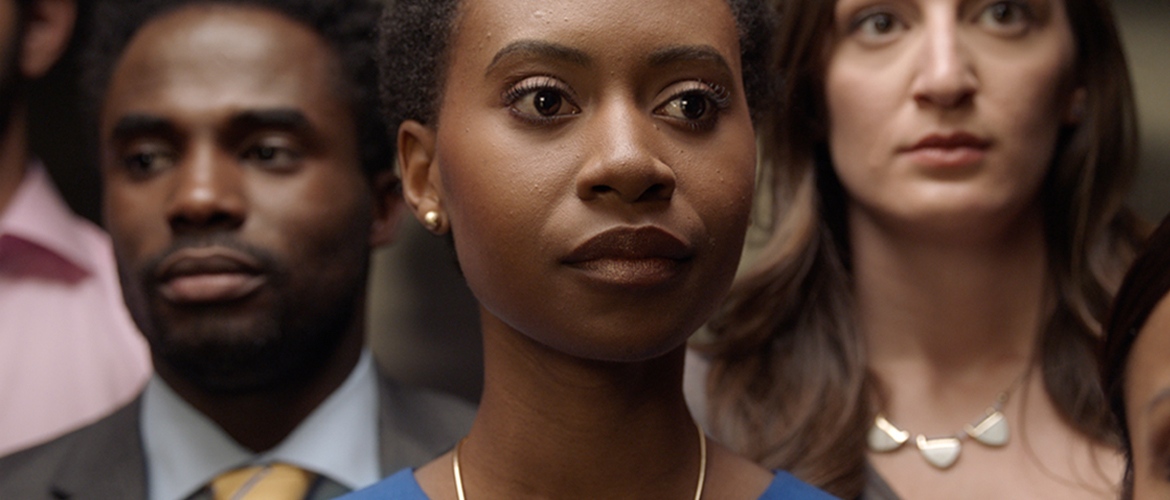
Part of Speak Up for Inclusion by RBC
It sometimes tells you not to say anything even though you may have witnessed behaviour that is non-inclusive or inappropriate. Itâs human to feel like you donât want to rock the boat or create conflict with someone.
But, if weâre going to make our workplaces, our communities and our world more welcoming for everyone, we all have a responsibility to create an environment in which we can feel safe speaking up for others and also ourselves.
Below youâll find additional information and resources to help you and your organization with your ongoing journey to inclusion. Maybe the next voice youâll hear will be your own when you speak up for inclusion.
Behaviour thatâs deemed inappropriate still happens every day in the workplace. Although 9 in 10 people think sexual jokes or stories are inappropriate for work, more than half continue to see it happen. If we all speak up, we can create a safer and more inclusive environment for everyone.
Speak up for a workplace where jokes never cross the line:
When we talk of a safe workplace, it is often thought of in terms of physical safety. Equally as important, creating a psychologically safe environment should be a priority of every organization. One where any employee feels confident confronting racism. Only then can real change happen.
Speak up for a work environment free of racism:
More often than not, people who are newer to speaking English are perceived as less capable of performing high-skilled jobs despite having substantial qualifications. If we want to bring more ideas to the table, letâs pay attention to whatâs being said rather than to how itâs said.
Speak up for a workplace that includes all kinds of voices:
There are many legitimate concerns that can prevent people from having their voice heard, like reputational risk and fear of retaliation. Thatâs why itâs important to establish a culture where anyone, regardless of their standing or title, feels comfortable and safe speaking up without fear of reprisal.
Speak up for supporting your colleagues:
People in marginalized groups face discrimination on a daily basis. Sometimes these forms of discrimination are more subtle, and extend beyond race, religion, sexual orientation or gender. When weâre aware of all forms of discrimination and bias, we can make our workplaces and communities a more inclusive place.
Speak up for ending workplace discrimination:
By not listening, the message is clear. Namely, all opinions arenât being considered. Inclusion begins by opening our perspectives and allowing each and every person to be heard.
Speak up for all voices to be heard:
View All References Hide All References
Challenge that voice. Speak up for inclusion and help change the world for the better.