Drugs that act directly on the renin-angiotensin system can cause injury and death to the developing fetus. When pregnancy is detected, discontinue losartan as soon as possible.
Excipient information presented when available (limited, particularly for generics); consult specific product labeling.
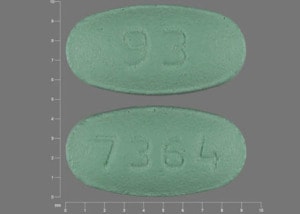
Tablet, Oral, as potassium:
Cozaar: 50 mg [scored]
Generic: 25 mg, 50 mg, 100 mg
As a selective and competitive, nonpeptide angiotensin II receptor antagonist, losartan blocks the vasoconstrictor and aldosterone-secreting effects of angiotensin II; losartan interacts reversibly at the AT1 and AT2 receptors of many tissues and has slow dissociation kinetics; its affinity for the AT1 receptor is 1000 times greater than the AT2 receptor. Angiotensin II receptor antagonists may induce a more complete inhibition of the renin-angiotensin system than ACE inhibitors, they do not affect the response to bradykinin, and are less likely to be associated with nonrenin-angiotensin effects (eg, cough and angioedema). Losartan increases urinary flow rate and in addition to being natriuretic and kaliuretic, increases excretion of chloride, magnesium, uric acid, calcium, and phosphate.
Oral: Well absorbed; slowed with food
V d : Losartan: 34 L; E-3174 (active metabolite): 12 L
Hepatic (~14%) via CYP2C9 and 3A4 to an active metabolite E-3174 (10 to 40 times more potent than losartan); extensive first-pass effect
Urine (35%; ~4% as unchanged drug, ~6% as E-3174 [active metabolite]); feces (~60% [oral])
Plasma: Losartan: 600 mL/minute; E-3174 (active metabolite): 50 mL/minute
Renal: Losartan: 75 L/minute; E-3174 (active metabolite): 25 mL/minute
Serum: Losartan: Children: 2 hours, Adults: 1 hour; E-3174 (active metabolite): Children: 4.1 hours, Adults: 3.5 hours
Losartan: Children 6 to 16 years: 2.3 ± 0.8 hours; Adults: 2.1 ± 0.7 hours
E-3174 (active metabolite): Children 6 to 16 years: 5.6 ± 1.2 hours; Adults: 7.4 ± 2.4 hours
Plasma: High, >98%; primarily to albumin
Plasma concentrations and AUC of losartan and its active metabolite are increased 50% to 90% and renal clearance reduced 55% to 85% in patients with mild (CrCl 50 to 74 mL/minute) and moderate (CrCl 30 to 49 mL/minute) renal impairment.
Plasma concentrations of losartan are increased 5 times and active metabolite increased 1.7 times in patients with mild to moderate alcoholic cirrhosis. Total plasma clearance of losartan is reduced ~50% and oral bioavailability is about doubled.
Plasma losartan concentrations are about twice as high in hypertensive women as hypertensive men, but plasma concentrations of active metabolite are similar.
Hypertension: Management of hypertension in adults and children ≥6 years of age
Proteinuric chronic kidney disease, diabetic: Treatment of diabetic nephropathy with an elevated serum creatinine and proteinuria (urinary albumin to creatinine ratio ≥300 mg/g) in patients with type 2 diabetes and a history of hypertension
Heart failure with reduced ejection fractionbyes
Data from a randomized, double-blind, dose comparison study in patients with New York Heart Association (NYHA) class II to IV heart failure support the use of losartan at higher doses to reduce the rate of death or admission for heart failure in patients with heart failure Konstam 2009.
Based on the 2013 American College of Cardiology Foundation/American Heart Association (ACCF/AHA) guideline for the management of heart failure , losartan is one of 3 effective and recommended angiotensin II receptor blockers (ARBs) (ie, candesartan, losartan, valsartan) in patients with heart failure with reduced ejection fraction who cannot tolerate angiotensin-converting enzyme (ACE) inhibitors to reduce morbidity and mortality. The ACCF/AHA also suggests that ARBs are reasonable first-line alternatives to ACE inhibitors in patients already maintained on an ARB for other indications.
Marfan syndrome with aortic aneurysmyes
Based on the ACCF/AHA/American Association for Thoracic Surgery 2010 guidelines for the diagnosis and management of patients with thoracic aortic disease , use of losartan is reasonable for patients with Marfan syndrome to reduce the rate of aortic dilatation unless there are contraindications. A beta-blocker is first-line therapy to slow aortic dilatation, and losartan may be added if tolerated. Patients who do not tolerate a beta-blocker may still benefit from an ARB Wright 2019.
Non-ST-elevation acute coronary syndromeyes
Based on the 2014 AHA/ACC guideline for the management of patients with non-ST-elevation acute coronary syndromes , an ARB is recommended and effective in patients who have indications for but are intolerant of ACE inhibitors; this includes patients with hypertension, diabetes, stable chronic kidney disease (CKD), heart failure, or myocardial infarction who have a left ventricular ejection fraction ≤40%.
Posttransplant erythrocytosis (renal transplant recipients)c
Data from a limited number of small clinical trials in renal transplant recipients with posttransplant erythrocytosis suggest that losartan may be beneficial for reducing hemoglobin concentration Julian 1998, Klaassen 1997, Yildiz 2001.
Proteinuric chronic kidney disease, nondiabeticyes
Based on the 2012 Kidney Disease Improving Global Outcomes guidelines , the use of an ACE inhibitor or an ARB is recommended in patients with proteinuric CKD to prevent progression of CKD.
ST-elevation myocardial infarctionyes
Based on the 2013 ACCF/AHA guideline for the management of ST-elevation myocardial infraction , an ARB is recommended and effective in patients who have indications for but are intolerant of ACE inhibitors.
Hypersensitivity to losartan or any component of the formulation; concomitant use with aliskiren in patients with diabetes mellitus
Documentation of allergenic cross-reactivity for angiotensin receptor blockers is limited. However, because of similarities in chemical structure and/or pharmacologic actions, the possibility of cross-sensitivity cannot be ruled out with certainty.
Canadian labeling: Additional contraindications (not in US labeling): Concomitant use with aliskiren in patients with moderate-to-severe renal impairment (GFR <60 mL/minute/1.73 m 2 )
Acute coronary syndromes:
Note: May be used as an alternative in patients who cannot tolerate an angiotensin-converting enzyme (ACE) inhibitor (eg, due to cough) (ACC/AHA [Amsterdam 2014]; ACCF/AHA [O'Gara 2013]; Guyer 2019). In patients with prior ACE inhibitor-associated angioedema (ie, without urticaria or other signs of hypersensitivity) an angiotensin II receptor blocker (ARB) may also be an alternative. ARBs do not appear to elevate the risk of angioedema (Rasmussen 2019; Toh 2012); however, patients must be educated that angioedema due to an ACE inhibitor can sometimes reoccur within months following discontinuation (Beltrami 2011); referral to an allergist may be appropriate.
Non-ST-elevation acute coronary syndrome (alternative agent) (off-label use):
Note: Patients should be hemodynamically stable before initiation. Use as a component of an appropriate medical regimen, which may also include antiplatelet agent(s), a beta-blocker, and a statin. Continue ARB therapy indefinitely for patients with concurrent diabetes, left ventricular ejection fraction ≤40%, hypertension, or stable chronic kidney disease (ACC/AHA [Amsterdam 2014]). Dosing is based on general dosing range in the manufacturer's labeling.
Oral: Initial: 25 to 50 mg once daily depending on initial blood pressure; increase dose as tolerated up to 100 mg/day under close monitoring to avoid hypotension.
ST-elevation myocardial infarction (alternative agent) (off-label use):
Note: Patients should be hemodynamically stable before initiation. Use as a component of an appropriate medical regimen, which may also include antiplatelet agent(s), a beta-blocker, and a statin. Continue ARB therapy indefinitely (ACCF/AHA [O'Gara 2013]).
Oral: Initial: 25 to 50 mg once daily depending on initial blood pressure; increase dose as tolerated up to 100 mg/day under close monitoring to avoid hypotension (Dickstein 2002).
Heart failure with reduced ejection fraction (alternative agent) (off-label use):
Note: May be used as an alternative in patients who cannot tolerate an ACE inhibitor (eg, due to cough) (ACC/AHA/HFSA [Yancy 2017]; Guyer 2019). In patients with prior ACE inhibitor or angiotensin receptor-neprilysin inhibitor-associated angioedema (ie, without urticaria or other signs of hypersensitivity), losartan may be an alternative (Meyer 2019); however, use of losartan in this situation should only occur under the care of a heart failure specialist. ARBs do not appear to elevate the risk of angioedema (Rasmussen 2019; Toh 2012); however, patients must be educated that angioedema due to an ACE inhibitor can sometimes reoccur within months following discontinuation (Beltrami 2011); referral to an allergist may be appropriate.
Oral: Initial: 25 to 50 mg once daily; increase dose every 1 to 2 weeks based on response and tolerability to a target dose of 150 mg once daily (ACC/AHA/HFSA [Yancy 2017]; ACCF/AHA [Yancy 2013]; Konstam 2009; Meyer 2019). In closely monitored hospitalized patients, the dose may be titrated at 1- to 2-day intervals (Meyer 2019).
Note: For initial treatment in patients with blood pressure ≥20/10 mm Hg above goal, may be used in combination with another appropriate agent (eg, long-acting dihydropyridine calcium channel blocker, thiazide diuretic). For patients <20/10 mm Hg above goal, some experts recommend an initial trial of monotherapy; however, over time, many patients will require combination therapy (ACC/AHA [Whelton 2018]; Mann 2019a).
Oral: Initial: 25 to 50 mg once daily; evaluate response every 4 to 6 weeks and increase dose as needed up to 100 mg/day in 1 to 2 divided doses (ACC/AHA [Whelton 2018]; Mann 2019a).
Marfan syndrome with aortic aneurysm (alternative or adjunctive agent) (off-label use):
Note: A beta-blocker is first-line therapy to slow aortic dilatation. Losartan may be added to beta-blocker therapy if tolerated (ACCF/AHA/AATS [Hiratzka 2010]). Patients who do not tolerate a beta-blocker may still benefit from an ARB (Wright 2019).
Oral: Initial: 50 mg once daily; after 2 weeks, may increase dose based on blood pressure response and tolerability up to 100 mg/day (Groenink 2013; Milleron 2015).
Posttransplant erythrocytosis (renal transplant recipients) (off-label use):
Note: For patients with a hemoglobin concentration >17 g/dL (Brennan 2019).
Oral: Initial: 25 to 50 mg once daily; if inadequate response seen within 4 weeks, may increase to 100 mg once daily based on hemoglobin and blood pressure response; if hemoglobin remains >17 g/dL after an additional 4 weeks, consider alternative therapy (Brennan 2019; Julian 1998; Klaassen 1997; Yildiz 2001).
Proteinuric chronic kidney disease (nondiabetic [off-label use] or diabetic):
Note: In nondiabetic and type 2 diabetic proteinuric chronic kidney disease (CKD), an ARB or an ACE inhibitor may be used. In type 1 diabetic proteinuric CKD, an ARB may be used as an alternative in patients who cannot tolerate an ACE inhibitor (eg, due to cough) (Bakris 2019; Mann 2020; McCulloch 2019). In patients with prior ACE inhibitor-associated angioedema (ie, without urticaria or other signs of hypersensitivity), losartan may be an alternative. ARBs do not appear to elevate the risk of angioedema (Rasmussen 2019; Toh 2012); however, patients must be educated that angioedema due to an ACE inhibitor can sometimes reoccur within months following discontinuation (Beltrami 2011); referral to an allergist may be appropriate. Dosing is based on general dosing range in the manufacturer's labeling.
Oral: Initial: 25 to 50 mg once daily depending on blood pressure; can be increased to 100 mg once daily based on blood pressure response and tolerability. Target to an appropriate blood pressure goal and a proteinuria goal of <1 g/day (KDIGO 2013; Mann 2020).
IgA nephropathy : In addition to an appropriate blood pressure goal, a proteinuria goal of <1 g/day is also generally recommended (KDIGO 2012). Some experts treat to a proteinuria goal of <500 mg/day. If proteinuria goal is not met with monotherapy at the maximum dose, consider adding other modalities and/or agents (Cattran 2019).
Refer to adult dosing.
Children ≥6 years and Adolescents: Oral: Initial: 0.7 mg/kg once daily; maximum initial dose: 50 mg/ dose ; titrate to desired effect; maximum daily dose: 1.4 mg/kg/ day or 100 mg/ day ; may be administered once daily or divided twice daily (AAP [Flynn 2017]; NHBPEP 2004; NHLBI 2011); Note: Doses >1.4 mg/kg/day (or >100 mg/day) have not been studied (Shahinfar 2005).
Canadian labeling: Children ≥6 years and Adolescents ≤16 years: Oral: Cozaar prescribing information [Canada]:
≥20 kg to <50 kg: Initial: 25 mg once daily; titrate to desired effect; maximum dose: 50 mg/ day
≥50 kg: Initial: 50 mg once daily; titrate to desired effect; maximum dose: 100 mg/ day
Proteinuria reduction in children with chronic kidney disease: Limited data available: Children ≥4 years and Adolescents: Oral: Initial: 0.4 to 0.8 mg/kg/day; increase dose if no adverse effects occur and blood pressure remains >90th percentile or proteinuria does not fall <50% of baseline excretion; doses can be increased slowly up to 1 mg/kg/day (maximum: 50 mg/day); dosing based on experience from three retrospective clinical trials (Chandar 2007; Ellis 2003; Ellis 2004)
Marfan syndrome aortic-root dilation: Limited data available: Children and Adolescents 14 months to 16 years: Oral: Initial: 0.6 mg/kg/day for 3 weeks (while assessing for adverse events); then gradually increase dose to 1.4 mg/kg/day (maximum: 100 mg/day); dosing based on preliminary results of a small (n=18), nonrandomized, retrospective, clinical study (Brooke 2008)
A 2.5 mg/mL losartan oral suspension may be made with tablets and a 1:1 mixture of Ora-Plus and Ora-Sweet SF. Combine 10 mL of purified water and ten losartan 50 mg tablets in a 240 mL amber polyethylene terephthalate bottle. Shake well for at least 2 minutes. Allow concentrate to stand for 1 hour, then shake for 1 minute. Separately, prepare 190 mL of a 1:1 mixture of Ora-Plus and Ora-Sweet SF; add to tablet and water mixture in the bottle and shake for 1 minute. Label "shake well" and "refrigerate". Return promptly to refrigerator after each use. Stable for 4 weeks when stored in amber polyethylene terephthalate prescription bottles and refrigerated (Cozaar prescribing information 2018).
Cozaar (losartan) [prescribing information]. Whitehouse Station, NJ: Merck Sharp & Dohme; October 2018.
Oral: Administer without regard to meals; however, administer consistently with respect to food intake at about the same time every day.
Some products may contain potassium.
Store at 25°C (77°F); excursions are permitted to 15°C to 30°C (59°F to 86°F). Protect from light.
Alfuzosin: May enhance the hypotensive effect of Blood Pressure Lowering Agents. Monitor therapy
Aliskiren: May enhance the hyperkalemic effect of Angiotensin II Receptor Blockers. Aliskiren may enhance the hypotensive effect of Angiotensin II Receptor Blockers. Aliskiren may enhance the nephrotoxic effect of Angiotensin II Receptor Blockers. Management: Aliskiren use with ACEIs or ARBs in patients with diabetes is contraindicated. Combined use in other patients should be avoided, particularly when CrCl is less than 60 mL/min. If combined, monitor potassium, creatinine, and blood pressure closely. Consider therapy modification
Alpelisib: May decrease the serum concentration of CYP2C9 Substrates (High risk with Inducers). Monitor therapy
Amifostine: Blood Pressure Lowering Agents may enhance the hypotensive effect of Amifostine. Management: When amifostine is used at chemotherapy doses, blood pressure lowering medications should be withheld for 24 hours prior to amifostine administration. If blood pressure lowering therapy cannot be withheld, amifostine should not be administered. Consider therapy modification
Amphetamines: May diminish the antihypertensive effect of Antihypertensive Agents. Monitor therapy
Angiotensin II: Receptor Blockers may diminish the therapeutic effect of Angiotensin II. Monitor therapy
Angiotensin-Converting Enzyme Inhibitors: Angiotensin II Receptor Blockers may enhance the adverse/toxic effect of Angiotensin-Converting Enzyme Inhibitors. Angiotensin II Receptor Blockers may increase the serum concentration of Angiotensin-Converting Enzyme Inhibitors. Management: In US labeling, use of telmisartan and ramipril is not recommended. It is not clear if any other combination of an ACE inhibitor and an ARB would be any safer. Consider alternatives to the combination when possible. Consider therapy modification
Antifungal Agents (Azole Derivatives, Systemic): May decrease the metabolism of Losartan. Applicable Isavuconazonium considerations are addressed in separate monographs. Exceptions: Isavuconazonium Sulfate. Monitor therapy
Antihepaciviral Combination Products: May increase the serum concentration of Losartan. Management: Per antihepaciviral combination product US prescribing information, consider decreasing the losartan dose and monitoring for evidence of hypotension and worsening renal function if these agents are used in combination. Consider therapy modification
Antipsychotic Agents (Second Generation [Atypical]): Blood Pressure Lowering Agents may enhance the hypotensive effect of Antipsychotic Agents (Second Generation [Atypical]). Monitor therapy
Barbiturates: May enhance the hypotensive effect of Blood Pressure Lowering Agents. Monitor therapy
Benperidol: May enhance the hypotensive effect of Blood Pressure Lowering Agents. Monitor therapy
Bosentan: May decrease the serum concentration of CYP3A4 Substrates (High risk with Inducers). Monitor therapy
Brigatinib: May diminish the antihypertensive effect of Antihypertensive Agents. Brigatinib may enhance the bradycardic effect of Antihypertensive Agents. Monitor therapy
Brimonidine (Topical): May enhance the hypotensive effect of Blood Pressure Lowering Agents. Monitor therapy
Bromperidol: Blood Pressure Lowering Agents may enhance the hypotensive effect of Bromperidol. Bromperidol may diminish the hypotensive effect of Blood Pressure Lowering Agents. Avoid combination
CycloSPORINE (Systemic): Angiotensin II Receptor Blockers may enhance the hyperkalemic effect of CycloSPORINE (Systemic). Monitor therapy
CYP2C9 Inhibitors (Moderate): May decrease the metabolism of CYP2C9 Substrates (High risk with Inhibitors). Monitor therapy
CYP3A4 Inducers (Moderate): May decrease the serum concentration of CYP3A4 Substrates (High risk with Inducers). Monitor therapy
CYP3A4 Inducers (Strong): May increase the metabolism of CYP3A4 Substrates (High risk with Inducers). Management: Consider an alternative for one of the interacting drugs. Some combinations may be specifically contraindicated. Consult appropriate manufacturer labeling. Consider therapy modification
Dabrafenib: May decrease the serum concentration of CYP3A4 Substrates (High risk with Inducers). Management: Seek alternatives to the CYP3A4 substrate when possible. If concomitant therapy cannot be avoided, monitor clinical effects of the substrate closely (particularly therapeutic effects). Consider therapy modification
Dabrafenib: May decrease the serum concentration of CYP2C9 Substrates (High risk with Inducers). Management: Seek alternatives to the CYP2C9 substrate when possible. If concomitant therapy cannot be avoided, monitor clinical effects of the substrate closely (particularly therapeutic effects). Consider therapy modification
Dapoxetine: May enhance the orthostatic hypotensive effect of Angiotensin II Receptor Blockers. Monitor therapy
Deferasirox: May decrease the serum concentration of CYP3A4 Substrates (High risk with Inducers). Monitor therapy
Dexmethylphenidate: May diminish the therapeutic effect of Antihypertensive Agents. Monitor therapy
Diazoxide: May enhance the hypotensive effect of Blood Pressure Lowering Agents. Monitor therapy
Drospirenone: Angiotensin II Receptor Blockers may enhance the hyperkalemic effect of Drospirenone. Monitor therapy
DULoxetine: Blood Pressure Lowering Agents may enhance the hypotensive effect of DULoxetine. Monitor therapy
Enzalutamide: May decrease the serum concentration of CYP3A4 Substrates (High risk with Inducers). Management: Concurrent use of enzalutamide with CYP3A4 substrates that have a narrow therapeutic index should be avoided. Use of enzalutamide and any other CYP3A4 substrate should be performed with caution and close monitoring. Consider therapy modification
Enzalutamide: May decrease the serum concentration of CYP2C9 Substrates (High risk with Inducers). Management: Concurrent use of enzalutamide with CYP2C9 substrates that have a narrow therapeutic index should be avoided. Use of enzalutamide and any other CYP2C9 substrate should be performed with caution and close monitoring. Consider therapy modification
Eplerenone: May enhance the hyperkalemic effect of Angiotensin II Receptor Blockers. Monitor therapy
Erdafitinib: May decrease the serum concentration of CYP3A4 Substrates (High risk with Inducers). Monitor therapy
Fluconazole: May decrease the serum concentration of Losartan. Specifically, fluconazole may decrease the serum concentration of E3174, the more potent active metabolite of losartan. Monitor therapy
Heparin: May enhance the hyperkalemic effect of Angiotensin II Receptor Blockers. Monitor therapy
Heparins (Low Molecular Weight): May enhance the hyperkalemic effect of Angiotensin II Receptor Blockers. Monitor therapy
Herbs (Hypertensive Properties): May diminish the antihypertensive effect of Antihypertensive Agents. Monitor therapy
Herbs (Hypotensive Properties): May enhance the hypotensive effect of Blood Pressure Lowering Agents. Monitor therapy
Hypotension-Associated Agents: Blood Pressure Lowering Agents may enhance the hypotensive effect of Hypotension-Associated Agents. Monitor therapy
Ivosidenib: May decrease the serum concentration of CYP3A4 Substrates (High risk with Inducers). Monitor therapy
Levodopa-Containing Products: Blood Pressure Lowering Agents may enhance the hypotensive effect of Levodopa-Containing Products. Monitor therapy
Lithium: Angiotensin II Receptor Blockers may increase the serum concentration of Lithium. Management: Lithium dosage reductions will likely be needed following the addition of an angiotensin II receptor antagonist. Consider therapy modification
Lorlatinib: May decrease the serum concentration of CYP3A4 Substrates (High risk with Inducers). Management: Avoid concurrent use of lorlatinib with any CYP3A4 substrates for which a minimal decrease in serum concentrations of the CYP3A4 substrate could lead to therapeutic failure and serious clinical consequences. Consider therapy modification
Lormetazepam: May enhance the hypotensive effect of Blood Pressure Lowering Agents. Monitor therapy
Methylphenidate: May diminish the antihypertensive effect of Antihypertensive Agents. Monitor therapy
MiFEPRIStone: May increase the serum concentration of CYP2C9 Substrates (High risk with Inhibitors). Management: Use CYP2C9 substrates at the lowest recommended dose, and monitor closely for adverse effects, during and in the 2 weeks following mifepristone treatment. Consider therapy modification
Mitotane: May decrease the serum concentration of CYP3A4 Substrates (High risk with Inducers). Management: Doses of CYP3A4 substrates may need to be adjusted substantially when used in patients being treated with mitotane. Consider therapy modification
Molsidomine: May enhance the hypotensive effect of Blood Pressure Lowering Agents. Monitor therapy
Naftopidil: May enhance the hypotensive effect of Blood Pressure Lowering Agents. Monitor therapy
Nicergoline: May enhance the hypotensive effect of Blood Pressure Lowering Agents. Monitor therapy
Nicorandil: May enhance the hyperkalemic effect of Angiotensin II Receptor Blockers. Monitor therapy
Nicorandil: May enhance the hypotensive effect of Blood Pressure Lowering Agents. Monitor therapy
Nitroprusside: Blood Pressure Lowering Agents may enhance the hypotensive effect of Nitroprusside. Monitor therapy
Nonsteroidal Anti-Inflammatory Agents: Angiotensin II Receptor Blockers may enhance the adverse/toxic effect of Nonsteroidal Anti-Inflammatory Agents. Specifically, the combination may result in a significant decrease in renal function. Nonsteroidal Anti-Inflammatory Agents may diminish the therapeutic effect of Angiotensin II Receptor Blockers. The combination of these two agents may also significantly decrease glomerular filtration and renal function. Monitor therapy
Obinutuzumab: May enhance the hypotensive effect of Blood Pressure Lowering Agents. Management: Consider temporarily withholding blood pressure lowering medications beginning 12 hours prior to obinutuzumab infusion and continuing until 1 hour after the end of the infusion. Consider therapy modification
Pentoxifylline: May enhance the hypotensive effect of Blood Pressure Lowering Agents. Monitor therapy
Pholcodine: Blood Pressure Lowering Agents may enhance the hypotensive effect of Pholcodine. Monitor therapy
Phosphodiesterase 5 Inhibitors: May enhance the hypotensive effect of Blood Pressure Lowering Agents. Monitor therapy
Potassium Salts: May enhance the hyperkalemic effect of Angiotensin II Receptor Blockers. Monitor therapy
Potassium-Sparing Diuretics: Angiotensin II Receptor Blockers may enhance the hyperkalemic effect of Potassium-Sparing Diuretics. Monitor therapy
Prostacyclin Analogues: May enhance the hypotensive effect of Blood Pressure Lowering Agents. Monitor therapy
Quinagolide: May enhance the hypotensive effect of Blood Pressure Lowering Agents. Monitor therapy
Ranolazine: May enhance the adverse/toxic effect of Angiotensin II Receptor Blockers. Monitor therapy
Resveratrol: May decrease serum concentrations of the active metabolite(s) of Losartan. Resveratrol may increase the serum concentration of Losartan. Monitor therapy
RifAMPin: May decrease the serum concentration of Losartan. Monitor therapy
Rifapentine: May decrease the serum concentration of CYP2C9 Substrates (High risk with Inducers). Monitor therapy
Sarilumab: May decrease the serum concentration of CYP3A4 Substrates (High risk with Inducers). Monitor therapy
Siltuximab: May decrease the serum concentration of CYP3A4 Substrates (High risk with Inducers). Monitor therapy
Sodium Phosphates: Angiotensin II Receptor Blockers may enhance the nephrotoxic effect of Sodium Phosphates. Specifically, the risk of acute phosphate nephropathy may be enhanced. Management: Consider avoiding this combination by temporarily suspending treatment with ARBs, or seeking alternatives to oral sodium phosphate bowel preparation. If the combination cannot be avoided, maintain adequate hydration and monitor renal function closely. Consider therapy modification
Tacrolimus (Systemic): Angiotensin II Receptor Blockers may enhance the hyperkalemic effect of Tacrolimus (Systemic). Monitor therapy
Tocilizumab: May decrease the serum concentration of CYP3A4 Substrates (High risk with Inducers). Monitor therapy
Tolvaptan: May enhance the hyperkalemic effect of Angiotensin II Receptor Blockers. Monitor therapy
Trimethoprim: May enhance the hyperkalemic effect of Angiotensin II Receptor Blockers. Monitor therapy
Yohimbine: May diminish the antihypertensive effect of Antihypertensive Agents. Monitor therapy
Incidences occurred with hypertensive patients unless otherwise specified.
Cardiovascular: Chest pain (type 2 diabetic nephropathy: ≥4%), hypotension (type 2 diabetic nephropathy: ≥4%), orthostatic hypotension (type 2 diabetic nephropathy: ≥4%), atrial fibrillation (<2%), cerebrovascular accident (<2%), edema (<2%), palpitations (<2%), syncope (<2%)
Central nervous system: Fatigue (type 2 diabetic nephropathy: ≥4%), myasthenia (type 2 diabetic nephropathy: ≥4%), dizziness (3%), depression (<2%), drowsiness (<2%), headache (<2%), migraine (<2%), paresthesia (<2%), sleep disorder (<2%), vertigo (<2%)
Dermatologic: Pruritus (<2%), skin photosensitivity (<2%), skin rash (<2%), urticaria (<2%)
Endocrine & metabolic: Hyperkalemia (type 2 diabetic nephropathy: ≥4%), hypoglycemia (type 2 diabetic nephropathy: ≥4%)
Gastrointestinal: Diarrhea (type 2 diabetic nephropathy: ≥4%), abdominal pain (<2%), constipation (<2%), nausea (<2%), vomiting (<2%)
Genitourinary: Urinary tract infection (type 2 diabetic nephropathy: ≥4%), impotence (<2%)
Hematologic & oncologic: Anemia (type 2 diabetic nephropathy: ≥4%; hypertension: <2%)
Neuromuscular & skeletal: Asthenia (type 2 diabetic nephropathy: ≥4%), back pain (hypertension and type 2 diabetic neuropathy: 2% to ≥4%), arthralgia (<2%), myalgia (<2%)
Otic: Tinnitus (<2%)
Respiratory: Upper respiratory tract infection (8%), cough (ARBs: 3%; Matchar 2008), nasal congestion (2%), dyspnea (<2%)
<1%, postmarketing, and/or case reports: Anaphylaxis, angioedema, dysgeusia, erythroderma, facial edema, glottis edema, Henoch-Schonlein purpura, hepatitis, hyponatremia, laryngeal edema, lip edema, malaise, pharyngeal edema, rhabdomyolysis, thrombocytopenia, tongue edema, vasculitis
Concerns related to adverse effects:
Disease-related concerns:
Concurrent drug therapy issues:
Special populations:
Baseline and periodic blood pressure, electrolytes, renal function
Within 1 to 2 weeks after initiation, reassess blood pressure (including postural blood pressure changes), renal function, and serum potassium; follow closely after dose changes. Patients with systolic blood pressure <80 mm Hg, low serum sodium, diabetes mellitus, and impaired renal function should be closely monitored (ACC/AHA [Yancy 2013]).
Hypertension: The 2017 Guideline for the Prevention, Detection, Evaluation, and Management of High Blood Pressure in Adults (ACC/AHA [Whelton 2018]):
Confirmed hypertension and known cardiovascular disease or 10-year atherosclerotic cardiovascular disease risk ≥10 %: Target blood pressure <130/80 mm Hg is recommended.
Confirmed hypertension without markers of increased atherosclerotic cardiovascular disease risk: Target blood pressure <130/80 mm Hg may be reasonable.
Diabetes and hypertension: The American Diabetes Association guidelines (ADA 2019):
Patients 18 to 65 years of age, without atherosclerotic cardiovascular disease (ASCVD), and 10-year ASCVD risk <15%: Target blood pressure <140/90 mm Hg is recommended.
Patients 18 to 65 years of age and known ASCVD or 10-year ASCVD risk >15%: Target blood pressure <130/80 mm Hg may be appropriate if it can be safely attained.
Patients >65 years of age (healthy or complex/intermediate health): Target blood pressure <140/90 mm Hg is recommended.
Patients >65 years of age (very complex/poor health): Target blood pressure <150/90 mm Hg is recommended.
[US Boxed Warning]: Drugs that act on the renin-angiotensin system can cause injury and death to the developing fetus. When pregnancy is detected, discontinue as soon as possible. The use of drugs which act on the renin-angiotensin system are associated with oligohydramnios. Oligohydramnios, due to decreased fetal renal function, may lead to fetal lung hypoplasia and skeletal malformations. Oligohydramnios may not appear until after irreversible fetal injury has occurred. Use during pregnancy is also associated with anuria, hypotension, renal failure, skull hypoplasia, and death in the fetus/neonate. The exposed fetus should be monitored for fetal growth, amniotic fluid volume, and organ formation. Infants exposed in utero should be monitored for hyperkalemia, hypotension, and oliguria (exchange transfusions or dialysis may be needed). These adverse events are generally associated with maternal use in the second and third trimesters.
Chronic maternal hypertension itself is also associated with adverse events in the fetus/infant. The risk of birth defects, low birth weight, premature delivery, stillbirth, and neonatal death may be increased with chronic hypertension in pregnancy. Actual risks may be related to duration and severity of maternal hypertension (ACOG 203 2019).
The use of angiotensin II receptor blockers is generally not recommended to treat chronic hypertension in pregnant women and should generally be avoided in women planning a pregnancy (ACOG 203 2019).
What is this drug used for?
Frequently reported side effects of this drug
Other side effects of this drug: Talk with your doctor right away if you have any of these signs of:
Note: This is not a comprehensive list of all side effects. Talk to your doctor if you have questions.
Consumer Information Use and Disclaimer: This information should not be used to decide whether or not to take this medicine or any other medicine. Only the healthcare provider has the knowledge and training to decide which medicines are right for a specific patient. This information does not endorse any medicine as safe, effective, or approved for treating any patient or health condition. This is only a brief summary of general information about this medicine. It does NOT include all information about the possible uses, directions, warnings, precautions, interactions, adverse effects, or risks that may apply to this medicine. This information is not specific medical advice and does not replace information you receive from the healthcare provider. You must talk with the healthcare provider for complete information about the risks and benefits of using this medicine.
Source: Wolters Kluwer Health. Last updated February 6, 2020.