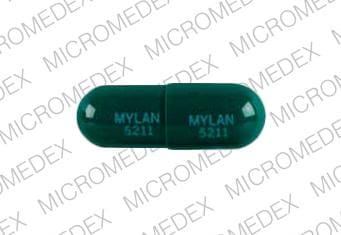
Excipient information presented when available (limited, particularly for generics); consult specific product labeling. [DSC] = Discontinued product
Capsule Delayed Release, Oral:
PriLOSEC: 10 mg [DSC], 20 mg [DSC], 40 mg [DSC]
Generic: 10 mg, 20 mg, 40 mg
Capsule Delayed Release, Oral, as magnesium [strength expressed as base]:
Packet, Oral, as magnesium [strength expressed as base]:
PriLOSEC: 2.5 mg (30 ea); 10 mg (30 ea)
Tablet Delayed Release, Oral:
Generic: 20 mg, 20 mg
Tablet Delayed Release, Oral, as magnesium [strength expressed as base]:
PriLOSEC OTC: 20 mg [contains fd&c blue #2 aluminum lake, fd&c red #40 aluminum lake, saccharin sodium; wild berry flavor]
Proton pump inhibitor; suppresses gastric basal and stimulated acid secretion by inhibiting the parietal cell H+/K+ ATP pump
Hepatic via CYP2C19 primarily and (to a lesser extent) via 3A4 to hydroxy, desmethyl, and sulfone metabolites (all inactive); saturable first-pass effect
Antisecretory: ~1 hour; Peak effect: Within 2 hours
Up to 72 hours; 50% of maximum effect at 24 hours; after stopping treatment, secretory activity gradually returns over 3 to 5 days; Maximum secretory inhibition: 4 days
Gastroesophageal reflux disease, erosive or nonerosive (Rx only):
Treatment of erosive esophagitis: Short-term treatment of erosive esophagitis (EE) due to acid-mediated gastroesophageal reflux disease (GERD) diagnosed by endoscopy in patients ≥1 year of age; short-term treatment (up to 6 weeks) of EE due to acid-mediated GERD in pediatric patients 1 month to <1 year of age.
Maintenance healing of erosive esophagitis: Maintenance healing of EE due to acid-mediated GERD in patients ≥1 year of age.
Symptomatic gastroesophageal reflux disease: Treatment of heartburn and other symptoms associated with GERD for up to 4 weeks in patients ≥1 year of age.
Heartburn (OTC only): Treatment of frequent, uncomplicated heartburn (occurring ≥2 or more days per week) in adults.
Helicobacter pylori eradication (Rx only): Treatment of H. pylori infection and duodenal ulcer disease in adults as part of an appropriate combination regimen with antibiotics.
Peptic ulcer disease, treatment of duodenal or gastric ulcers (Rx only): Short-term treatment of active duodenal or gastric ulcers in adults.
Zollinger-Ellison syndrome (Rx only): Long-term treatment of pathological hypersecretory conditions, such as Zollinger-Ellison syndrome, in adults.
Aspiration prophylaxis in patients undergoing anesthesiabyes
Data from several studies of varying methodologies (including randomized, double-blind, double-dummy, parallel-group trials) and a meta-analysis support the use of omeprazole for the prevention of aspiration in patients undergoing anesthesia. Studies were conducted in the elective surgery setting, including scheduled cesarean deliveries Boulay 1994, Ewart 1990, Levack 1996.
Based on the American Society of Anesthesiologists practice guidelines for preoperative fasting and the use of pharmacologic agents to reduce the risk of pulmonary aspiration , proton pump inhibitors (PPIs) (eg, omeprazole) are an effective and recommended option for use in patients at high risk for aspiration.
Barrett esophaguscyes
Data primarily from observational studies suggest that use of a PPI, such as omeprazole, may prevent cancer and the progression of dysplasia in patients with this condition El-Serag 2004, Kastelein 2013, Nguyen 2009, Singh 2014, although evidence is conflicting Hu 2017. Clinical experience also suggests the utility of PPIs in the treatment of patients with Barrett esophagus and symptomatic gastroesophageal reflux disease or endoscopic evidence of reflux esophagitis Spechler 2019.
Based on the American College of Gastroenterology (ACG) clinical guideline for diagnosis and management of Barrett esophagus , PPIs (eg, omeprazole) are effective and recommended in patients with this condition.
Dyspepsia, functional (idiopathic or non-ulcer)ayes
Data from a randomized, double-blind, placebo-controlled, parallel-design trial support the use of omeprazole for the treatment of functional dyspepsia Veldhuyzen van Zanten 2005. In addition, data from a systematic review support the use of omeprazole for the treatment of patients with ulcer and reflux-like functional dyspepsia Pinto-Sanchez 2017.
Based on the ACG and Canadian Association of Gastroenterology (CAG) guidelines for the management of dyspepsia , the use of omeprazole is effective and recommended treatment for functional dyspepsia ACG/CAG [Moayyedi 2017].
Nonsteroidal anti-inflammatory drug (including aspirin)–induced ulcers, primary preventionayes
Data from randomized, double-blind, parallel-group studies support the use of omeprazole in the prevention of nonsteroidal anti-inflammatory drug (NSAID) (including aspirin)–induced gastric and duodenal ulcers Cullen 1998, Regula 2006. Data from a randomized, double-blind, double-dummy, placebo-controlled, parallel-group study support the use of omeprazole in patients on dual antiplatelet therapy (eg, aspirin plus clopidogrel) Bhatt 2010. Of note, the manufacturer and some experts recommend avoiding concurrent use of omeprazole and clopidogrel due to a potential drug-drug interaction Agewall 2013; however, some studies have not identified a clinically meaningful interaction Bhatt 2010, Hulot 2010.
Based on the ACG 2009 guidelines for prevention of NSAID-related ulcer complications , PPIs (eg, omeprazole) are effective and recommended in the prophylaxis of gastric and duodenal ulcers in patients receiving NSAID therapy Lanza 2009. In addition, based on the European Society of Cardiology guidelines for the management of acute myocardial infarction in patients presenting with ST-segment elevation and the American College of Cardiology Foundation/ACG/American Heart Association expert consensus document on the concomitant use of PPIs and thienopyridines , PPIs are effective and recommended for gastric protection in patients on dual antiplatelet therapy (eg, aspirin plus a P2Y 12 inhibitor) who are at high risk for GI bleeding, such as those with a history of GI ulcer/bleeding or with multiple additional risk factors (eg, Helicobacter pylori infection, concurrent use of anticoagulants or corticosteroids) Abraham 2010, Ibanez 2018.
Peptic ulcer disease, maintenance therapy/secondary preventionb
Data from randomized, double-blind trials support the use omeprazole for secondary prevention of ulcers and/or GI bleeding in select high-risk patients with a need for continued NSAIDs, including aspirin Chan 2001, Hawkey 1998, Yeomans 1998. Clinical experience also suggests the utility of omeprazole for maintenance therapy/secondary prevention in select high-risk patients, such as those with idiopathic ulcers, frequently recurrent ulcers, or a need for continued NSAID use Feldman 2019b.
Peptic ulcer disease, treatment of complicated ulcersc
Clinical experience suggests the utility of omeprazole (preferably following initial use of an IV PPI) for the treatment of complicated ulcers (bleeding, perforation, penetration, or gastric outlet obstruction) Vakil 2019c.
Stress ulcer prophylaxis in select critically ill patientsbyes
Data from a randomized, double-blind trial in critically ill patients with GI bleeding risk factors support the use of omeprazole for stress ulcer prophylaxis Conrad 2005. Data from a prospective, randomized clinical trial in patients at high risk for stress ulcer prophylaxis also support the use of omeprazole for the prevention of stress ulcers Levy 1997. However, further evaluation is warranted, particularly to better define risk factors Barletta 2016.
Based on the Surviving Sepsis Campaign international guidelines for the management of severe sepsis and septic shock , stress ulcer prophylaxis using a PPI is an effective and recommended option in select critically ill patients with GI bleeding risk factors.
Hypersensitivity (eg, anaphylaxis, anaphylactic shock, angioedema, bronchospasm, interstitial nephritis, urticaria) to omeprazole, other substituted benzimidazole proton pump inhibitors, or any component of the formulation; concomitant use with products that contain rilpivirine
OTC labeling: When used for self-medication (OTC), do not use if trouble or pain when swallowing food; vomiting with blood, or bloody or black stools; heartburn with lightheadedness, dizziness, or sweating; chest pain or shoulder pain with shortness of breath, sweating, pain spreading to arms, neck or shoulders, or lightheadedness; frequent chest pain.
Note: Do not administer concomitantly with other antisecretory agents, such as H 2 -receptor antagonists (H 2 RAs), prostaglandin analogues (eg, misoprostol), or somatostatin analogues (eg, octreotide), due to decreased acid-inhibitory effects; if another antisecretory agent is needed, allow a sufficient time interval between administration (ie, morning omeprazole and bedtime H 2 RA) (ACG [Katz 2013]; Wolfe 2000; Wolfe 2019).
Aspiration prophylaxis in patients undergoing anesthesia (off-label use):
Note: May be considered in patients at high risk for aspiration (ASA 2017).
Oral: 40 mg given the night before surgery and 40 mg given the morning of surgery (Boulay 1994; Ewart 1990; Levack 1996; Puig 2012).
Barrett esophagus (off-label use):
Oral: 20 mg once daily; may increase the dose (eg, to 20 mg twice daily) if needed to eliminate gastroesophageal reflux disease symptoms or heal reflux esophagitis. Long-term maintenance therapy is recommended (Cooper 1998; Shaheen 2016; Spechler 2014; Spechler 2019).
Dyspepsia, functional (idiopathic or non-ulcer) (off-label use):
Note: For patients who test negative for H. pylori infection or have persistent symptoms following Helicobacter pylori eradication (ACG/CAG [Moayyedi 2017]; Longstreth 2020).
Oral: 20 mg once daily for a 4- to 8-week trial (Pinto-Sanchez 2017; Veldhuyzen van Zanten 2005); can be continued for a longer duration in patients with symptom improvement. Some experts recommend attempting to discontinue every 6 to 12 months to minimize the long-term risk of therapy (Longstreth 2020).
Gastroesophageal reflux disease, erosive or nonerosive:
Mild/intermittent disease (<2 episodes/week) and no evidence of erosive esophagitis:
Note: Some experts reserve proton pump inhibitors (PPIs) for patients who have residual acid reflux symptoms despite twice-daily H 2 RA (Kahrilas 2019).
Oral: 10 mg once daily; can increase to 20 mg once daily after 4 to 8 weeks if necessary. Discontinue once asymptomatic for 8 weeks (Festen 1999; Kahrilas 2019).
Severe and/or frequent symptoms (≥2 episodes/week) and/or erosive esophagitis:
Oral: 20 to 40 mg once daily; once symptoms are controlled, continue for at least 8 weeks (Kahrilas 2019; Province of British Columbia Ministry of Health 2015; Waghray 2019; Wolfe 2000). Subsequently, patients without severe erosive esophagitis or Barrett esophagus can taper to the lowest dose necessary to control symptoms (and/or switch to an H 2 RA blocker) then discontinue acid suppression once asymptomatic. Patients with severe erosive esophagitis or Barrett esophagus should continue long-term maintenance therapy with 20 mg once daily (Kahrilas 2019; Ramakrishnan 2002; Spechler 2019).
Residual symptoms despite 40 mg once daily therapy:
Note: Referral to a specialist is recommended.
Oral: Options include splitting the dose to 20 mg twice daily, increasing the dose to 40 mg twice daily, or switching to another PPI (ACG [Katz 2013]; Fass 2019; Wang 2009).
OTC labeling (patient-guided therapy): Heartburn, frequent symptoms (≥2 episodes/week):
Oral: 20 mg once daily for 14 days (maximum: 20 mg/day); may repeat a 14-day course every 4 months if needed. Seek medical referral if symptoms do not resolve within 14 days of treatment; do not take for >14 days or more often than every 4 months unless directed by a physician (manufacturer's labeling).
Helicobacter pylori eradication:
Oral: 20 mg or 40 mg twice daily as part of an appropriate combination regimen with antibiotics. Dose depends on the selected regimen (ACG [Chey 2017]; Crowe 2020; Fallone 2016).
Nonsteroidal anti-inflammatory drug (including aspirin)–induced ulcers, primary prevention (off-label use):
Note: For select patients at moderate or high risk for GI toxicity. These include patients with a history of GI ulcer, on dual antiplatelet therapy (eg, aspirin plus a P2Y 12 inhibitor), on concurrent anticoagulant therapy, or with multiple additional risk factors (eg, corticosteroid use, high nonsteroidal anti-inflammatory drug [NSAID] dose, H. pylori infection) (Feldman 2019a; Holmes 2019). For patients on dual antiplatelet therapy, some experts reserve prophylaxis for those with additional risk factors (ACCF/ACG/AHA [Abraham 2010]; ESC [Ibanez 2018]). Due to a potential drug-drug interaction with clopidogrel, the manufacturer and some experts recommend avoiding concurrent omeprazole use (Agewall 2013); however, some studies have not identified a clinically meaningful interaction (Bhatt 2010; Hulot 2010). If present, H. pylori infection should be treated first (ACG [Lanza 2009]; Feldman 2019a).
Oral: 20 mg once daily for the duration of high-risk NSAID use (Bhatt 2010; Cullen 1998; Regula 2006).
Peptic ulcer disease, treatment and secondary prevention:
Note: For patients on NSAIDs (including aspirin), the NSAID should be discontinued, if possible (Feldman 2019b). If present, H. pylori infection should be treated first; H. pylori– associated ulcers may not need PPI treatment beyond that included in the eradication regimen (Vakil 2019a).
Uncomplicated ulcer:
Oral: 20 to 40 mg once daily for 4 weeks for duodenal ulcers and 8 weeks for gastric ulcers. In patients with refractory or recurrent disease, may increase the dose to 20 to 40 mg twice daily (Vakil 2019a; Vakil 2019b).
Complicated ulcer (bleeding, perforation, penetration, or gastric outlet obstruction) (off-label use):
Oral (preferably following initial use of an IV PPI): 40 mg twice daily; usually continued for 4 weeks, then decreased to 40 mg once daily (Vakil 2019c). For patients with bleeding, the dose may be decreased to 20 mg once daily 72 hours after endoscopy, provided there is no evidence of recurrent bleeding (Saltzman 2019). The duration of treatment depends on the location and cause of the ulcer.
Maintenance therapy/secondary prevention (off-label use):
Note: For select high-risk patients (eg, idiopathic ulcers, frequently recurrent ulcers, need for continued NSAID use).
Oral: 20 mg once daily (Chan 2001; Feldman 2019b; Hawkey 1998; Yeomans 1998).
Stress ulcer prophylaxis in select critically ill patients (off-label use):
Note: For ICU patients with associated risk factors for GI bleeding (including coagulopathy, mechanical ventilation for >48 hours, traumatic brain injury, history of GI ulceration or bleeding within past year, extensive burns) (Rhodes 2017; Weinhouse 2019).
Oral or via NG tube: 40 mg once daily (ASHP 1999; Levy 1997) or 40 mg initially, then another 40 mg dose given 6 to 8 hours later, followed by 40 mg once daily (Conrad 2005). Discontinue prophylaxis once critical illness and modifiable risk factors have resolved (Rhodes 2017; Weinhouse 2019).
Zollinger-Ellison syndrome:
Oral: Initial: 40 mg twice daily; if needed, may titrate upward early in therapy to a maximum of 180 mg/day; once acid output has been controlled, gradual dose reductions are usually possible; reported maintenance dosage range: 10 to 180 mg/day (mean: 60 to 70 mg/day); daily doses >80 mg are usually given in 2 divided doses; continue therapy as long as clinically indicated (Bergsland 2019; Frucht 1991; Meijer 1989).
Dis continuation of therapy: In patients who have received continuous therapy for >6 months, some experts gradually taper therapy until discontinuation to avoid worsening or rebound symptoms. There is no single agreed upon discontinuation strategy. If the patient is receiving 40 mg once or twice daily, some experts decrease the dose by 50% every week. For patients receiving twice-daily dosing, the first dose reduction can be achieved by decreasing to once-daily AM dosing. Once patients are on the lowest dose for 1 week, discontinue therapy (Wolfe 2019). An alternative strategy is to decrease the dose by 50% over 2 to 4 weeks, then discontinue. If the patient is already on the lowest possible dose, alternate-day therapy may be considered (Kim 2018). In addition, as-needed therapy with an H 2 RA or an antacid can be used during the taper (Haastrup 2014).
Refer to adult dosing. Bioavailability may be increased in elderly patients.
Erosive esophagitis:
Treatment: Note: Duration of therapy is dependent on age: Infant duration is up to 6 weeks and children and adolescent duration is 4 to 8 weeks. In children and adolescents with no response at 8 weeks, treatment may continue to an additional 4 weeks. For recurrence of erosive esophagitis or gastroesophageal reflux disease (GERD) symptoms (eg, heartburn), an additional 4- to 8-week course may be considered.
Infants, Children, and Adolescents: Oral:
3 to <5 kg: 2.5 mg once daily.
5 kg to <10 kg: 5 mg once daily.
10 kg to <20 kg: 10 mg once daily.
≥20 kg: 20 mg once daily.
Maintenance of healing: Children and Adolescents: Oral:
Gastroesophageal reflux disease (GERD): Note: Guidelines recommend a 4- to 8-week treatment course; if improvement seen after 4 to 8 weeks, consider possible wean; if no response after 4 to 8 weeks, reevaluate diagnosis and consider referral to pediatric GI specialist (NASPGHAN/ESPGHAN [Rosen 2018]).
Fixed dosing: Children and Adolescents: Oral:
Weight-based dosing: Infants, Children, and Adolescents: Oral: 0.7 to 4 mg/kg/day (AAP [Lightdale 2013]; NASPGHAN/ESPGHAN [Rosen 2018]); the dose most frequently reported to provide healing of esophagitis and relief of GERD symptoms is 1 mg/kg/day (Zimmerman 2001); maximum daily dose: 40 mg/ day (NASPGHAN/ESPGHAN [Rosen 2018]).
Helicobacter pylori eradication (NASPGHAN/ESPGHAN [Jones 2017]): Oral: Children and Adolescents: Note: Usual duration of therapy is 14 days as part of triple therapy; use in combination with 2 antimicrobials (eg, clarithromycin, metronidazole, amoxicillin); preferred agents determined by susceptibility. Bismuth may be added to regimens as an alternative if resistance is present or susceptibility is unknown.
15 to <25 kg: 20 mg twice daily.
25 to 34 kg: 30 mg twice daily.
>34 kg: 40 mg twice daily.
Discontinuation of therapy: Oral: Based on experience in adults, some experts recommend a step-down approach in order to avoid worsening or rebound symptoms. One recommendation is to decrease the dose by 50% over 2 to 4 weeks. If the patient is already on the lowest possible dose, alternate day therapy may be considered. If symptoms worsen during treatment or after discontinuation, patient should be reevaluated (Kim 2018).
Granules for oral suspension: For oral administration, empty the contents of the 2.5 mg packet into 5 mL of water (10 mg packet into 15 mL of water); stir. For NG administration, add 5 mL of water into a catheter-tipped syringe, and then add the contents of a 2.5 mg packet (15 mL water for the 10 mg packet); immediately shake syringe. Note: Regardless of the route of administration, the suspension should be left to thicken for 2 to 3 minutes prior to administration.
Note: More palatable omeprazole (2 mg/mL) suspensions are commercially available as compounding kits (First-Omeprazole, Omeprazole+Syrspend SF Alka Cherry Kit).
2 mg/mL Oral Solution
A 2 mg/mL oral omeprazole solution (Simplified Omeprazole Solution) may be made with five omeprazole 20 mg delayed release capsules and 50 mL sodium bicarbonate 8.4%. Empty capsules into beaker. Add sodium bicarbonate solution. Gently stir (about 15 minutes) until a white suspension forms. Transfer to amber-colored syringe or bottle. Stable for 14 days at room temperature or for 30 days refrigerated.
DiGiacinto JL, Olsen KM, Bergman KL, et al, “Stability of Suspension Formulations of Lansoprazole and Omeprazole Stored in Amber-Colored Plastic Oral Syringes,” Ann Pharmacother , 2000, 34(5):600-5.10852086Quercia R, Fan C, Liu X, et al, “Stability of Omeprazole in an Extemporaneously Prepared Oral Liquid,” Am J Health Syst Pharm , 1997, 54(16):1833-6.9269520Sharma V, “Comparison of 24-hour Intragastric pH Using Four Liquid Formulations of Lansoprazole and Omeprazole,” Am J Health Syst Pharm , 1999, 56(23 Suppl 4):18-21.10597120
Oral: For most indications, administer 30 to 60 minutes before a meal; best if taken before breakfast (ACG [Katz 2013]). If administering twice daily, first dose should be administered before breakfast and the second dose before dinner (ACG [Katz 2013]; Hershcovici 2010).
Capsule: Swallow whole; do not chew or crush. Capsule may be opened and contents mixed with 1 tablespoon of applesauce (soft enough to swallow without chewing). Swallow immediately with a glass of cool water; mixture should not be chewed, crushed, warmed, or saved for future use.
Oral suspension: Following reconstitution, the suspension should be left to thicken for 2 to 3 minutes and administered within 30 minutes. If any material remains after administration, add more water, stir, and administer immediately.
Tablet: Swallow whole with a glass of water before morning meal; do not crush or chew.
Oral suspension (using packets): Add 5 mL of water to a catheter tipped syringe and then add contents of a 2.5 mg packet (or 15 mL of water for the 10 mg packet). Immediately shake syringe and leave to thicken for 2 to 3 minutes; shake syringe again and within 30 minutes administer via NG or gastric tube (French size 6 or larger). Refill syringe with an equal amount of water, shake, and flush remaining contents through NG or gastric tube
Oral suspension (using capsules): The manufacturer of Prilosec does not give recommendations for extemporaneous preparation of omeprazole capsules for NG/OG administration. Consider using the packets for oral suspension. If packets are unavailable, methods of preparation of capsules for NG/OG administration have been described (Balaban 1997; Phillips 1996). An extemporaneously prepared suspension with extended stability may also be used (DiGiacinto 2000; Quercia 1997; Sharma 1999).
Capsules, tablets: Store at 15°C to 30°C (59°F to 86°F). Protect from light and moisture.
Granules for oral suspension: Store at 25°C (77°F); excursions permitted to 15°C to 30°C (59°F to 86°F).
Powder for suspension (compounding kits): Refer to manufacturer's labeling.
OTC capsules: Store at 20°C to 25°C (68°F to 77°F); protect from moisture.
Acalabrutinib: Proton Pump Inhibitors may decrease the serum concentration of Acalabrutinib. Avoid combination
Amphetamine: Proton Pump Inhibitors may increase the absorption of Amphetamine. Monitor therapy
Antihepaciviral Combination Products: May decrease the serum concentration of Omeprazole. Monitor therapy
Atazanavir: Proton Pump Inhibitors may decrease the serum concentration of Atazanavir. Management: See full drug interaction monograph for details. Consider therapy modification
Bisphosphonate Derivatives: Proton Pump Inhibitors may diminish the therapeutic effect of Bisphosphonate Derivatives. Monitor therapy
Bosutinib: Proton Pump Inhibitors may decrease the serum concentration of Bosutinib. Management: Consider alternatives to proton pump inhibitors, such as short-acting antacids or histamine-2 receptor antagonists. Administer alternative agents more than 2 hours before or after bosutinib. Consider therapy modification
Capecitabine: Proton Pump Inhibitors may diminish the therapeutic effect of Capecitabine. Monitor therapy
Cefditoren: Proton Pump Inhibitors may decrease the serum concentration of Cefditoren. Management: If possible, avoid use of cefditoren with proton pump inhibitors (PPIs). Consider alternative methods to minimize/control acid reflux (eg, diet modification) or alternative antimicrobial therapy if use of PPIs can not be avoided. Consider therapy modification
Cefpodoxime: Proton Pump Inhibitors may decrease the serum concentration of Cefpodoxime. Monitor therapy
Cefuroxime: Proton Pump Inhibitors may decrease the absorption of Cefuroxime. Avoid combination
Cilostazol: Omeprazole may increase serum concentrations of the active metabolite(s) of Cilostazol. Omeprazole may increase the serum concentration of Cilostazol. Management: Reduce the cilostazol dose to 50 mg twice daily in patients who are also receiving omeprazole. Monitor clinical response to cilostazol closely. Consider therapy modification
Citalopram: Omeprazole may increase the serum concentration of Citalopram. Management: Limit citalopram dose to a maximum of 20 mg/day if used with omeprazole. Consider therapy modification
CloBAZam: Omeprazole may increase serum concentrations of the active metabolite(s) of CloBAZam. Monitor therapy
Clopidogrel: Omeprazole may diminish the antiplatelet effect of Clopidogrel. Omeprazole may decrease serum concentrations of the active metabolite(s) of Clopidogrel. Management: Clopidogrel labeling recommends avoiding concurrent omeprazole due to a possible decrease in clopidogrel effectiveness. Rabeprazole or pantoprazole may be lower-risk alternatives to omeprazole. Consider therapy modification
CloZAPine: Omeprazole may decrease the serum concentration of CloZAPine. Omeprazole may increase the serum concentration of CloZAPine. Monitor therapy
CycloSPORINE (Systemic): Omeprazole may increase the serum concentration of CycloSPORINE (Systemic). Monitor therapy
CYP2C19 Inducers (Moderate): May decrease the serum concentration of CYP2C19 Substrates (High risk with Inducers). Monitor therapy
CYP2C19 Inducers (Strong): May increase the metabolism of CYP2C19 Substrates (High risk with Inducers). Management: Consider an alternative for one of the interacting drugs. Some combinations may be specifically contraindicated. Consult appropriate manufacturer labeling. Consider therapy modification
Cysteamine (Systemic): Proton Pump Inhibitors may diminish the therapeutic effect of Cysteamine (Systemic). Monitor therapy
Dabrafenib: May decrease the serum concentration of CYP2C19 Substrates (High risk with Inducers). Management: Seek alternatives to the CYP2C19 substrate when possible. If concomitant therapy cannot be avoided, monitor clinical effects of the substrate closely (particularly therapeutic effects). Consider therapy modification
Dacomitinib: Proton Pump Inhibitors may decrease the serum concentration of Dacomitinib. Management: Avoid concurrent use of dacomitinib with proton pump inhibitors. Antacids may be used. Histamine H2-receptor antagonists (HR2A) may be used if dacomitinib is given at least 6 hours before or 10 hours after the H2RA. Avoid combination
Darunavir: May decrease the serum concentration of Omeprazole. Monitor therapy
Dasatinib: Proton Pump Inhibitors may decrease the serum concentration of Dasatinib. Management: Antacids (taken 2 hours before or after dasatinib administration) can be used in place of the proton pump inhibitor if some acid-reducing therapy is needed. Avoid combination
Delavirdine: Proton Pump Inhibitors may decrease the serum concentration of Delavirdine. Management: Chronic therapy with proton pump inhibitors (PPIs) should be avoided in patients treated with delavirdine. The clinical significance of short-term PPI therapy with delavirdine is uncertain, but such therapy should be undertaken with caution. Avoid combination
Dexmethylphenidate: Proton Pump Inhibitors may increase the absorption of Dexmethylphenidate. Specifically, proton pump inhibitors may interfere with the normal release of drug from the extended-release capsules (Focalin XR brand), which could result in both increased absorption (early) and decreased delayed absorption. Monitor therapy
Dextroamphetamine: Proton Pump Inhibitors may increase the absorption of Dextroamphetamine. Specifically, the dextroamphetamine absorption rate from mixed amphetamine salt extended release (XR) capsules may be increased in the first hours after dosing. Monitor therapy
Dichlorphenamide: OAT1/3 Inhibitors may increase the serum concentration of Dichlorphenamide. Monitor therapy
Doxycycline: Proton Pump Inhibitors may decrease the bioavailability of Doxycycline. Monitor therapy
Elagolix: May increase the serum concentration of Omeprazole. Management: No action required for omeprazole doses of 40 mg daily or lower. If elagolix is used concomitantly with omeprazole doses higher than 40 mg daily, consider reducing the dose of omeprazole. Consider therapy modification
Enzalutamide: May decrease the serum concentration of CYP2C19 Substrates (High risk with Inducers). Conversely, concentrations of active metabolites may be increased for those drugs activated by CYP2C19. Management: Concurrent use of enzalutamide with CYP2C19 substrates that have a narrow therapeutic index should be avoided. Use of enzalutamide and any other CYP2C19 substrate should be performed with caution and close monitoring. Consider therapy modification
Erlotinib: Proton Pump Inhibitors may decrease the serum concentration of Erlotinib. Avoid combination
Escitalopram: Omeprazole may increase the serum concentration of Escitalopram. Management: Monitor for increased escitalopram toxicity with concomitant use of omeprazole. Recommendations for management of this interaction found in product labeling may differ by country. Consult appropriate labeling. Consider therapy modification
Fluconazole: May increase the serum concentration of Proton Pump Inhibitors. Monitor therapy
Fosphenytoin: Omeprazole may increase the serum concentration of Fosphenytoin. Fosphenytoin may decrease the serum concentration of Omeprazole. Monitor therapy
Gefitinib: Proton Pump Inhibitors may decrease the serum concentration of Gefitinib. Management: Avoid use of proton pump inhibitors (PPIs) with gefitinib when possible. If required, administer gefitinib 12 hours after administration of the PPI or 12 hours before the next dose of the PPI. Consider therapy modification
Indinavir: Proton Pump Inhibitors may decrease the serum concentration of Indinavir. Monitor therapy
Iron Preparations: Proton Pump Inhibitors may decrease the absorption of Iron Preparations. Exceptions: Ferric Carboxymaltose; Ferric Citrate; Ferric Derisomaltose; Ferric Gluconate; Ferric Hydroxide Polymaltose Complex; Ferric Pyrophosphate Citrate; Ferumoxytol; Iron Dextran Complex; Iron Sucrose. Monitor therapy
Itraconazole: Proton Pump Inhibitors may increase the serum concentration of Itraconazole. Proton Pump Inhibitors may decrease the serum concentration of Itraconazole. Management: Exposure to Tolsura brand itraconazole may be increased by PPIs; consider itraconazole dose reduction. Exposure to Sporanox brand itraconazole capsules may be decreased by PPIs. Give Sporanox brand itraconazole at least 2 hrs before or 2 hrs after PPIs Consider therapy modification
Ketoconazole (Systemic): Proton Pump Inhibitors may decrease the absorption of Ketoconazole (Systemic). Ketoconazole (Systemic) may increase the serum concentration of Proton Pump Inhibitors. Management: Administer ketoconazole with an acidic beverage, such as non-diet cola, to increase gastric acidity and improve absorption if concomitant use with proton pump inhibitors is necessary. Consider therapy modification
Ledipasvir: Proton Pump Inhibitors may decrease the serum concentration of Ledipasvir. Management: PPI doses equivalent to omeprazole 20 mg or lower may be given with ledipasvir under fasted conditions. Administration with higher doses of PPIs, 2 hours after a PPI, or in combination with food and PPIs may reduce ledipasvir bioavailability. Consider therapy modification
Lumacaftor and Ivacaftor: May decrease the serum concentration of CYP2C19 Substrates (High risk with Inducers). Monitor therapy
Lumacaftor and Ivacaftor: May decrease the serum concentration of Proton Pump Inhibitors. Monitor therapy
Mesalamine: Proton Pump Inhibitors may diminish the therapeutic effect of Mesalamine. Proton pump inhibitor-mediated increases in gastrointestinal pH may cause the premature release of mesalamine from specific sustained-release mesalamine products. Management: Consider avoiding concurrent administration of high-dose proton pump inhibitors (PPIs) with sustained-release mesalamine products. Consider therapy modification
Methotrexate: Proton Pump Inhibitors may increase the serum concentration of Methotrexate. Monitor therapy
Methylphenidate: Proton Pump Inhibitors may increase the absorption of Methylphenidate. Specifically, proton pump inhibitors may interfere with the normal release of drug from the extended-release capsules (Ritalin LA brand), which could result in both increased absorption (early) and decreased delayed absorption. Monitor therapy
Multivitamins/Minerals (with ADEK, Folate, Iron): Proton Pump Inhibitors may decrease the serum concentration of Multivitamins/Minerals (with ADEK, Folate, Iron). Specifically, the absorption of iron may be decreased. Monitor therapy
Mycophenolate: Proton Pump Inhibitors may decrease the serum concentration of Mycophenolate. Specifically, concentrations of the active mycophenolic acid may be reduced. Monitor therapy
Nalmefene: Omeprazole may decrease the serum concentration of Nalmefene. Monitor therapy
Nelfinavir: Proton Pump Inhibitors may decrease serum concentrations of the active metabolite(s) of Nelfinavir. Proton Pump Inhibitors may decrease the serum concentration of Nelfinavir. Avoid combination
Neratinib: Proton Pump Inhibitors may decrease the serum concentration of Neratinib. Specifically, proton pump inhibitors may reduce neratinib absorption. Avoid combination
Nilotinib: Proton Pump Inhibitors may decrease the serum concentration of Nilotinib. Management: Avoid this combination when possible since separation of doses is not likely to be an adequate method of minimizing the interaction. Consider therapy modification
PAZOPanib: Proton Pump Inhibitors may decrease the serum concentration of PAZOPanib. Avoid combination
Pexidartinib: Proton Pump Inhibitors may decrease the serum concentration of Pexidartinib. Management: If acid-reduction is needed, consider administering an antacid 2 hours before or after pexidartinib, or administer pexidartinib 2 hours before or 10 hours after an H2 receptor antagonist. Avoid combination
Phenytoin: May decrease the serum concentration of Omeprazole. Omeprazole may increase the serum concentration of Phenytoin. Monitor therapy
Posaconazole: Proton Pump Inhibitors may decrease the serum concentration of Posaconazole. Consider therapy modification
Raltegravir: Proton Pump Inhibitors may increase the serum concentration of Raltegravir. Monitor therapy
RifAMPin: May decrease the serum concentration of Omeprazole. Avoid combination
Rilpivirine: Proton Pump Inhibitors may decrease the serum concentration of Rilpivirine. Avoid combination
Riociguat: Proton Pump Inhibitors may decrease the serum concentration of Riociguat. Monitor therapy
Risedronate: Proton Pump Inhibitors may diminish the therapeutic effect of Risedronate. Proton Pump Inhibitors may increase the serum concentration of Risedronate. This applies specifically to use of delayed-release risedronate. Consider therapy modification
Saquinavir: Proton Pump Inhibitors may increase the serum concentration of Saquinavir. Monitor therapy
Secretin: Proton Pump Inhibitors may diminish the diagnostic effect of Secretin. Specifically, use of PPIs may cause a hyperresponse in gastrin secretion in response to secretin stimulation testing, falsely suggesting gastrinoma. Management: Avoid concomitant use of proton pump inhibitors (PPIs) and secretin, and discontinue PPIs several weeks prior to secretin administration, with the duration of separation determined by the specific PPI. See full monograph for details. Consider therapy modification
SORAfenib: Proton Pump Inhibitors may decrease the absorption of SORAfenib. Monitor therapy
St John's Wort: May decrease the serum concentration of Omeprazole. Avoid combination
Tacrolimus (Systemic): Proton Pump Inhibitors may increase the serum concentration of Tacrolimus (Systemic). Management: Tacrolimus dose adjustment may be required. Rabeprazole, pantoprazole, or selected H2-receptor antagonists (i.e., ranitidine or famotidine) may be less likely to interact. Genetic testing may predict patients at highest risk. Consider therapy modification
Tipranavir: May decrease the serum concentration of Proton Pump Inhibitors. These data are derived from studies with Ritonavir-boosted Tipranavir. Monitor therapy
Velpatasvir: Proton Pump Inhibitors may decrease the serum concentration of Velpatasvir. Avoid combination
Vitamin K Antagonists (eg, warfarin): Omeprazole may increase the serum concentration of Vitamin K Antagonists. Monitor therapy
Voriconazole: Omeprazole may increase the serum concentration of Voriconazole. Voriconazole may increase the serum concentration of Omeprazole. Monitor therapy
Omeprazole may falsely elevate serum chromogranin A (CgA) levels. The increased CgA level may cause false-positive results in the diagnosis of a neuroendocrine tumor. Temporarily stop omeprazole ≥14 days prior to assessing CgA level; repeat level if initially elevated; use the same laboratory for all testing of CgA levels.
Central nervous system: Headache (7%), dizziness (2%)
Dermatologic: Skin rash (2%)
Gastrointestinal: Abdominal pain (5%), diarrhea (4%), nausea (4%), flatulence (3%), vomiting (3%), acid regurgitation (2%), constipation (2%)
Neuromuscular & skeletal: Back pain (1%), weakness (1%)
Respiratory: Upper respiratory infection (2%), cough (1%)
<1%, postmarketing, and/or case reports (adverse event occurrence may vary based on formulation): Abdominal swelling, abnormal dreams, aggression, agitation, agranulocytosis, allergic reactions, alopecia, anaphylaxis, anemia, angina pectoris, angioedema, anorexia, anxiety, apathy, arthralgia, atrophic gastritis, blurred vision, bone fracture, bradycardia, bronchospasm, chest pain, cholestatic hepatitis, Clostridioides (formerly Clostridium ) difficile -associated diarrhea (CDAD), colitis (microscopic), confusion, cutaneous lupus erythematosus, depression, dermatitis, diplopia, disturbed sleep, drowsiness, dysgeusia, epistaxis, erythema multiforme, esophageal candidiasis, fatigue, fecal discoloration, fever, gastric carcinoid tumor, gastric polyp (benign), glycosuria, gynecomastia, hallucination, hematuria, hemolytic anemia, hepatic disease (hepatocellular, cholestatic, mixed), hepatic encephalopathy, hepatic failure, hepatic necrosis, hepatitis, hepatocellular hepatitis, hepatotoxicity (idiosyncratic) (Chalasani 2014), hyperhidrosis, hypersensitivity reaction, hypertension, hypocalcemia, hypoglycemia, hypokalemia, hypomagnesemia, hyponatremia, increased gamma glutamyl transferase, increased serum alkaline phosphatase, increased serum ALT, increased serum AST, increased serum bilirubin, increased serum creatinine, insomnia, interstitial nephritis, irritable bowel syndrome, jaundice, leg pain, leukocytosis, leukopenia, malaise, microscopic pyuria, mucosal atrophy (tongue), muscle cramps, myalgia, myasthenia, nervousness, neutropenia, ocular irritation, optic atrophy, optic neuritis, optic neuropathy (anterior ischemic), osteoporosis-related fracture, pain, palpitation, pancreatitis, pancytopenia, paresthesia, peripheral edema, petechiae, photophobia, pneumonia, proteinuria, pruritus, psychiatric disturbance, purpura, renal disease (chronic; Lazarus 2016), skin photosensitivity, sore throat, Stevens-Johnson syndrome, stomatitis, systemic lupus erythematosus, tachycardia, testicular pain, thrombocytopenia, tinnitus, toxic epidermal necrolysis, tremor, urinary frequency, urinary tract infection, urticaria, vertigo, weight gain, xeroderma, xerophthalmia, xerostomia
Concerns related to adverse effects:
Disease-related concerns:
Concurrent drug therapy issues:
Special populations:
Dosage form specific issues:
Other warnings/precautions:
Susceptibility testing is recommended in patients who fail H. pylori -eradication regimen; magnesium levels (prior to initiation of therapy and periodically thereafter).
Available data have not shown an increased risk of major birth defects following maternal use of omeprazole during pregnancy.
Recommendations for the treatment of GERD in pregnancy are available. As in nonpregnant patients, lifestyle modifications followed by other medications are the initial treatments (ACG [Katz 2013]; Body 2016; Huerta-Iga 2016; van der Woude 2014). Based on available data, PPIs may be used when clinically indicated (Body 2016; Matok 2012; Pasternak 2010; van der Woude 2014).
What is this drug used for?
Frequently reported side effects of this drug
Other side effects of this drug: Talk with your doctor right away if you have any of these signs of:
Note: This is not a comprehensive list of all side effects. Talk to your doctor if you have questions.
Consumer Information Use and Disclaimer: This information should not be used to decide whether or not to take this medicine or any other medicine. Only the healthcare provider has the knowledge and training to decide which medicines are right for a specific patient. This information does not endorse any medicine as safe, effective, or approved for treating any patient or health condition. This is only a brief summary of general information about this medicine. It does NOT include all information about the possible uses, directions, warnings, precautions, interactions, adverse effects, or risks that may apply to this medicine. This information is not specific medical advice and does not replace information you receive from the healthcare provider. You must talk with the healthcare provider for complete information about the risks and benefits of using this medicine.
Source: Wolters Kluwer Health. Last updated February 8, 2020.