When a song becomes popular, sometimes people forget (or are unaware) that the new hit actually originated with another artist. The popular cover might be ahead of its time or re-arranged with a fresher, more modern take, but somehow it managed to find a bigger audience than the original.
In 1997, pop star Natalie Imbrugliaâs âTornâ was a No. 1 hit throughout Europe, the United States, and her native Australia. But the song was first performed and recorded by Los Angeles-based alternative band Ednaswap for their 1995 self-titled debut.
A number of recording artists throughout the years have covered the song, but Imbrugliaâs version is the most successful and popular iteration of the hit single, and it earned her a Grammy nomination for Best Female Pop Vocal Performance .
Swedish pop group Ace of Base released a hit single titled âDonât Turn Aroundâ in 1994. The song reached the #4 spot on the Billboard Hot 100 and was the pop groupâs third hit song after âAll That She Wantsâ and âThe Sign.â Songwriters Diane Warren and Albert Hammond (of âIt Never Rains in Southern Californiaâ fame) originally wrote âDonât Turn Aroundâ for Tina Turner and were disappointed when the record label relegated it to the B-side of the single âTypical Manâ in 1986.
Neil Diamond also covered the song in 1992 , but Ace of Baseâs version is the most popular.
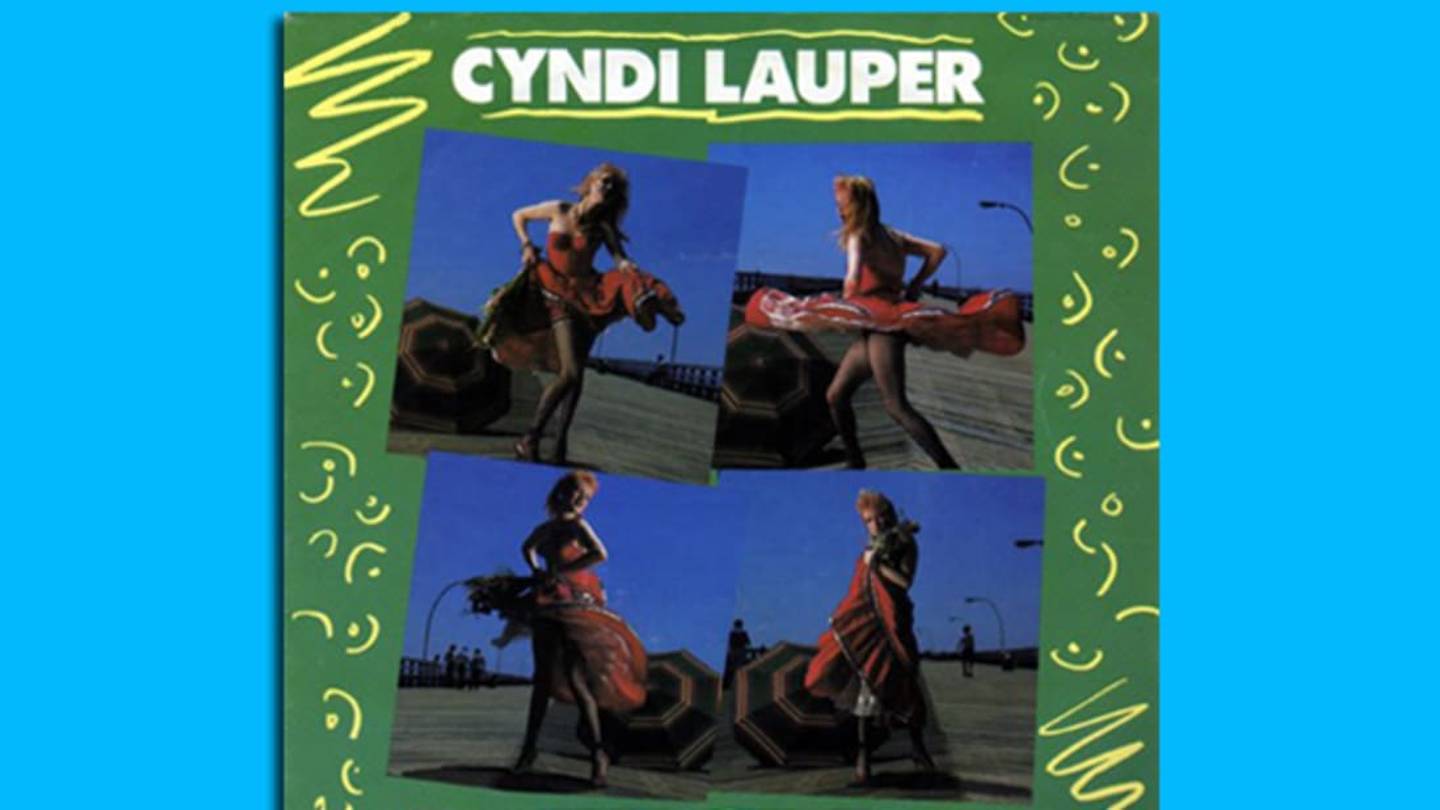
Cyndi Lauperâs first hit single as a solo artist, âGirls Just Want To Have Fun,â reached the No. 2 spot on the Billboard Hot 100 in 1983. Lauper was nominated for two Grammys for the song, including Record of the Year and Best Female Pop Performance. Self-proclaimed Country-Western fan Robert Hazard originally wrote and recorded âGirls Just Want To Have Funâ as a demo for his band Robert Hazard and the Heroes in 1979. (Hazard never released his version, though.)
In 1965, American singer Gloria Jones recorded the original version of âTainted Loveâ as the B-side to the single âMy Bad Boyâs Cominâ Home.â The song was a commercial failure, but gained a small cult following in underground British nightclubs in the late '70s. English synth-pop duo Soft Cell recorded a modern version of âTainted Loveâ in 1981. Soft Cellâs version was a No. 1 hit in eight countries, while it reached the No. 8 spot in the United States in 1982.
In 1965, Otis Redding wrote and recorded the song âRespect." Two years later, R&B singer Aretha Franklin popularized it, and the song became her signature. Both versions have the similar lyrics (though Franklin's added the "R-E-S-P-E-C-T" chorus to the song), but Franklinâs invokes female empowerment while Reddingâs is a euphemism for sex.Â
Alan Merrill and Jake Hookerâthe frontmen of the British rock band Arrowsâ wrote and recorded the anthem âI Love Rock ânâ Rollâ in 1975. The song got the band a TV appearance on the show 45 , which eventually led to the band getting its own TV show based on their performance of the song. In 1976, while she was on tour in England with her band The Runaways , Joan Jett watched Arrows perform the song on their show.
Then, in 1981, Joan Jett recorded a version of âI Love Rock ânâ Rollâ with her new band The Blackhearts. It became a No. 1 hit single in the United States for seven weeks and was certified platinum when it sold over one million units.
Music icon Prince wrote and originally recorded the song âNothing Compares 2 Uâ for his side project The Family in 1985. While the song received little recognition, Irish singer Sinéad O'Connor popularized it in 1990. O'Connor won three Moonmen Awards at the 1990 MTV Video Music Awards for Video of the Year, Best Female Video, and Best Post-Modern Video.
While the authorship of the song âHey Joeâ is ambiguous and unclear, the earliest recording of the song dates to 1965 , by the California-based garage band The Leaves.
âHey Joeâ was a modest hit for The Leaves, but it was The Jimi Hendrix Experience's first hit single overseas in 1966. It peaked at No. 6 on the U.K. Singles Chart in 1967, but it failed to gain any recognition in the United States. Over the years, the song became iconic; Rolling Stone placed it at #201 on their list of the 500 Greatest Songs of All Time .
In 1995, Icelandic solo artist Björk released a cover song titled âItâs Oh So Quiet,â which American actress/singer Betty Hutton first recorded in 1951 . The song was a B-side to Huttonâs single âMurder, He Says.â
âItâs Oh So Quietâ remains Björkâs biggest hit, peaking at the No. 4 spot in the United Kingdom. The songâs popularity was partly due to director Spike Jonzeâs infectious music video that included large dance numbers and sweeping camera movements.
Prince wrote âManic Mondayâ for his female trio band Apollonia 6 for their self-titled debut in 1984. Ultimately, he pulled the song from the album and later offered it to the band The Bangles under the pseudonym âChristopher,â a character he played in the 1986 film Under the Cherry Moon . âManic Mondayâ was a huge hit for The Bangles, reaching No. 2 on the Billboard Hot 100 listâjust behind Prince and the Revolutionâs âKiss.â
Songwriting duo Jerry Leiber and Mike Stoller wrote âHound Dogâ for Willie Mae âBig Mamaâ Thornton in 1953. While Thorntonâs original version was a No. 1 hit on the R&B charts for seven weeks , Elvis Presleyâs iteration immediately became the most popular after its 1956 release. Presleyâs version was a crossover success that spent 11 weeks on the top of country, pop, and R&B charts simultaneously. âHound Dogâ was inducted into the Rock and Roll Hall of Fame as one of the â500 Songs That Shaped Rock and Roll.â
In 1973, British glam rock band Slade released âCum On Feel The Noize," which went straight to the top of the charts in the United Kingdom and Ireland and was a top 10 single throughout parts of Europe. Ten years later, American heavy metal band Quiet Riot recorded and popularized song in the United States. The single reached the No. 5 spot on the Billboard Hot 100.
American music producers Bert Berns, Bob Feldman, Jerry Goldstein, and Richard Gottehrer recorded a bubblegum pop tune titled âI Want Candyâ in 1965. Donning shaggy wigs and zebra-print vests, Feldman, Goldstein, and Gottehrer took it upon themselves to perform the song as the faux Australian pop trio The Strangeloves. In 1982, British New Wave band Bow Wow Wow released âI Want Candy,â with its music video receiving heavy airplay and rotation during the early days of MTV. Although Bow Wow Wow would have many admirers throughout the years, including Red Hot Chili Peppers and No Doubt, this was the bandâs only hit song in the U.S.
In 1967, American songwriter Ritchie Cordell wrote the single âI Think Weâre Alone Nowâ for the rock band Tommy James and the Shondells. The song was a hit, reaching the No. 4 spot on the Billboard Hot 100. Twenty year later, âI Think Weâre Alone Nowâ was popularized by teen recording artist Tiffany, whose version reached the top spot on Billboard âs list for two weeks. Its music video launched the then-16-year-old into pop music stardom. Interestingly, Tiffany's song was replaced at No. 1 by Billy Idolâs âMony Mony,â another cover of a Tommy James and the Shondells single.
In 1971, British rock band Led Zeppelin re-arranged and popularized the song âWhen the Levee Breaksâ for their fourth album, which is referred to as Led Zeppelin IV . Husband and wife singer-songwriters Kansas Joe McCoy & Memphis Minnie originally recorded âWhen the Levee Breaksâ as a blues song in 1929 about the Great Mississippi Flood that took place a few years earlier. But Led Zeppelinâs arena rock anthem became an iconic piece of music from the '70s, and the song would go on to be highly influential among rock bands and hip-hop artists since its release.
Posthumously released on the aptly titled âThe Immortal Otis Reddingâ in 1968, âHard To Handleâ was a fitting single for a legendary musician. While the single only reached No. 38 on the R&B charts, a cover by the Georgia-based band The Black Crowes was their breakthrough single âit reached the No. 1 spot on the Billboard Album Rock Tracks in 1990.
American songwriters Gary Baker and Frank J. Myers wrote the love ballad âI Swearâ for country music recording artist John Michael Montgomery, who released it in December 1993. The single reached the No. 1 spot on the U.S. Hot Country Singles and Tracks chart, and crossed over to the Billboard Hot 100 , hitting No. 42.
A few months later in April 1994, the R&B quartet All-4-One released their rendition of âI Swear,â which became a bigger hit than the original. Their version reached No. 1 on the Hot 100 and was certified Platinum by the end of 1994.
In March 2005, recording artist Tori Alamaze released âDonât Chaâ as her debut single. When the song failed to gain mainstream attention, Universal Records dropped Alamaze from their label and the songâs producer CeeLo Green gave the song to the girl group The Pussycat Dolls.
Just one month later, The Pussycat Dolls released âDonât Chaâ as their debut single, and the song received positive reviews and reached No. 2 on Billboard . The Pussycat Dollsâ version went on to sell more than 6 million copies worldwide , while Alamaze was all but forgotten.
The Paragons were a Jamaican ska/rockstead band whose vocal harmonies were influenced by American soul and R&B groups. In 1967, they released a single called âThe Tide is High,â written by band member John Holt. Thirteen years later, Blondie guitarist Chris Stein discovered the track on a reggae compilation album heâd bought in England. Blondie recorded it for their Autoamerican album, adding strings and a horn section (borrowed from Johnny Carsonâs Tonight Show band). âThe Tide is Highâ went on to become Blondieâs second No. 1 single.
âBlack and Whiteâ was written in 1954 by David Arkin and Earl Robinson in response to the Brown vs The Topeka Board of Education Supreme Court decision that outlawed racial segregation in U.S. public schools. Several artists recorded the tuneâPete Seeger and Sammy Davis Jr. among themâbut a British reggae group called Greyhound took it to the U.K. Top 10 in 1971. A year later, American band Three Dog Night recorded the song and topped both the Billboard pop and easy listening charts.
Loading recommendations... Please wait while we load personalized content recommendations