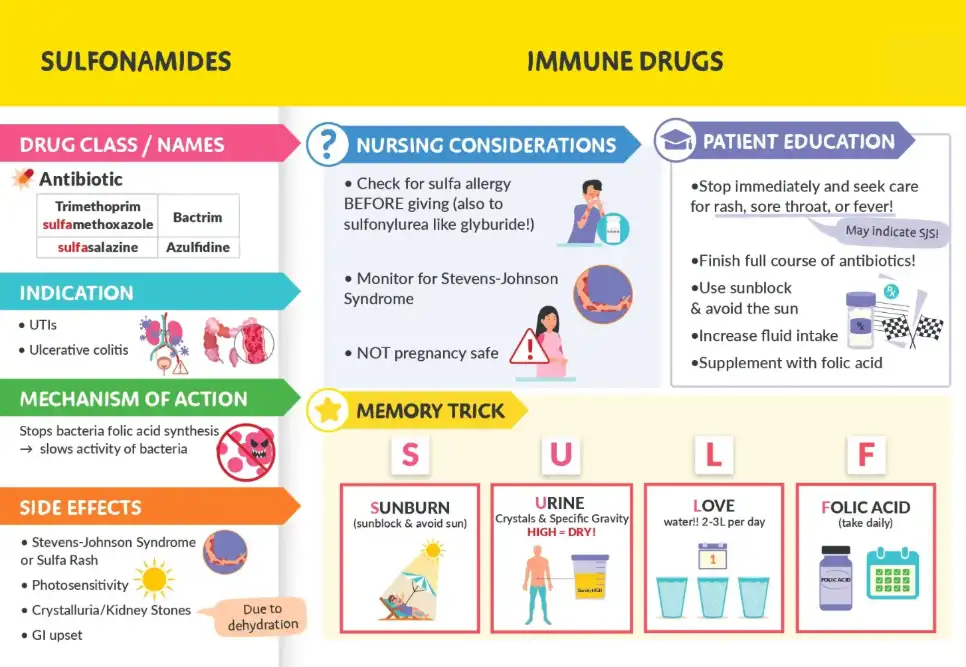
Physical flashcards that show what matters most, so you stop guessing and actually remember it on exams.
Two sets. Written and taught by Nurse Mike.
These cards break down complex meds into what you actually need to know for exams. No extra noise.
"I was struggling with Pharmacology. These cards made it clear what to focus on and helped everything stick. Perfect for quick refreshers. THANK YOU NURSE MIKE!! "
Start with the class that's hurting. Most students end up with both.
Every exam you go back to the same beta blockers and the same insulins, and every exam it's like the first time. It isn't effort. Your notes give equal weight to everything, so nothing stands out.
Each card gives you the drug on the front. The back gives you only what a question can actually ask — what it does, what to watch for, what you'd tell the patient. That's it.
The set is grouped the way pharm is actually taught. Cardiovascular meds — antihypertensives, beta blockers, ACE inhibitors and ARBs, diuretics, antiarrhythmics, anticoagulants. Endocrine — insulins, oral antidiabetics, thyroid agents, corticosteroids. Neuro and psych — anticonvulsants, antipsychotics, antidepressants, sedatives, opioid analgesics. Anti-infectives — penicillins, cephalosporins, macrolides, aminoglycosides, fluoroquinolones, antifungals and antivirals. Then respiratory, gastrointestinal, renal, immunosuppressants and chemotherapeutics. Because each card sits next to its classmates, the suffix patterns start doing the work for you: -olol, -pril, -sartan, -statin, -azole. You stop memorizing ninety separate drugs and start memorizing a dozen families with a handful of exceptions each.
"I was struggling with Pharmacology. These cards made it clear what to focus on and helped everything stick. Perfect for quick refreshers. THANK YOU NURSE MIKE!!"
No filler, no paragraphs to wade through
Memory hooks that survive a timed exam
Highlight it, annotate it, make it yours
You can define heart failure. Then the question asks which finding you'd report first, and all four options look reasonable. That gap is what fails people. Recall isn't the problem — prioritizing is.
These cards are built around the decision instead of the definition. Pathophysiology on the front, then what you'd assess, what you'd escalate, and what the answer usually turns on.
The deck follows the order a Med Surg course does: cardiovascular, respiratory, neurological, gastrointestinal, renal and genitourinary, endocrine, musculoskeletal, hematologic, immune and infectious disease, integumentary, fluid and electrolyte balance, and oncology. Twelve systems, each one a block you can pull out and drill on its own the week your course covers it. Inside a system the cards escalate — the disease, then the assessment, then the priority call. Cardiac alone runs from heart failure and MI through arrhythmias and valve disorders, so by the time a question gives you four plausible findings you have already sorted them once by hand.
Practice the judgment call, not the definition
Organized by system, so it maps to your syllabus
Reviewed by nurse educators, with video backup
"SimpleNursing is the sole reason why I have been doing well on my med surg exams."
Somebody holds the deck. Somebody else answers. When they miss one it goes in the pile, and everybody sees the pile. That's the version of studying that actually works, and it's the version an app can't do — you can't pass a phone around a table for an hour.
Hand a friend half the deck. Quiz each other on the way to clinicals. Leave them on the table in the study room. They're cards. That's the point.
Reading a card isn't studying. Answering before you flip it is.
Cover the back. Say it out loud. Flip. If you were wrong, that card goes to the front of the deck and you see it again in ten minutes. If you were right, it goes to the back and you don't see it for two days. That's the entire method.
The mistake is running the whole deck every night. You spend most of your time on cards you already know, because those feel good. Pull the twenty you keep missing and drill only those. More on why this works in our guide to active recall in nursing school .
Physical. Printed, boxed, shipped.
Whichever class you're in. If both, Pharmacology, since pharm shows up inside Med Surg questions but not the reverse.
Yes, and you should.
Yes, same content and same instructor.
Yes — our 150 most-tested drugs are free as a printable PDF.
All three are solid physical decks. Ours are the cards from Nurse Mike's lectures, so the wording matches the teaching you already follow. Side-by-side detail is in our NCLEX prep comparisons .
Or start with the free PDF and see how the format feels.