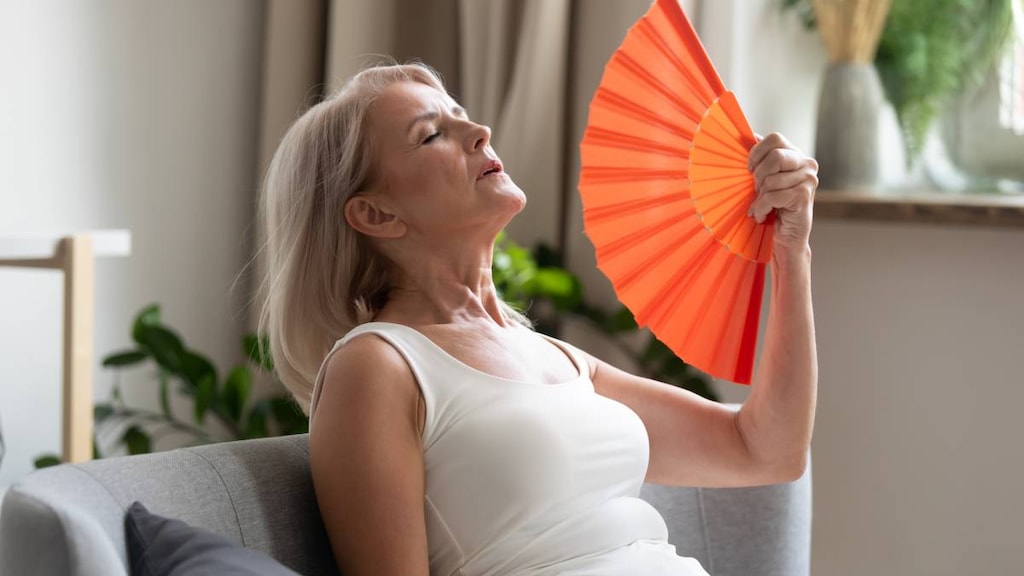
Heatwaves are becoming more frequent and longer worldwide. The rising temperatures and humidity can put you at risk of dehydration, overheating, and developing a heat-related illness such as heat stroke, heat cramps, or heat exhaustion.
In hot weather, your body has to work harder to keep you cool. Sweating plays an essential role in helping you stay cool. When you don’t produce enough sweat your body temperature rises putting you at risk of a heat-related illness.
Extremely high temperatures can also worsen existing conditions you may have, cause permanent injuries such as damage to your brain or vital organs, and in some cases can be fatal if no precautions are taken.
Older adults, babies and young children, people with disabilities or bedbound, and sick or overweight people are more at risk from extreme heat.
Heat-related conditions can be prevented by taking precautions. Here are some ways of keeping yourself cool during a heatwave.
Be prepared by learning the signs of heat-related illnesses and what you can do to help if you or someone else is showing symptoms. Having first aid knowledge and knowing CPR are good skills to have too.
Call emergency services immediately
Call 911 emergency services immediately in the case of heat stroke. Seek medical help if symptoms get worse or last longer than an hour for other heat-related illnesses.
Drinking plenty of water, even if you are not thirsty, is essential during a heatwave. The fluid and salts that you lose through sweating need to be replaced to avoid dehydration.
Adults should aim to take in about 2.7-3.7L (11.5-15.5 cups) of water a day, although you may need more depending on whether you are exercising, working outdoors, have certain medical conditions, or take certain medications.
Water is the main go-to for keeping hydrated, however, you can also get water and salts from food such as melons, berries, citrus fruits, cucumbers, lettuce, and celery. Beverages with electrolytes can also help prevent dehydration.
It is best to limit or avoid drinks high in sugar, caffeinated drinks and alcoholic beverages as they can cause dehydration.
Before heading out for the day it is a good idea to plan ahead to avoid being in the heat for too long. Remember to:
Try and limit or avoid doing physical activity outside during the hottest part of the day. If you work outdoors, are going on a walk or hike, or are participating in a sports event try to schedule it for earlier or later in the day when it is cooler. Avoid being outdoors at midday, as it is the hottest part of the day.
It is important to keep hydrated, wear a hat and light-weight clothing that protects you from the sun. Remember to pace yourself during the day and take breaks in cool places when you are starting to feel too hot.
Your home is a place where you spend a lot of your time and it's important to keep it as cool as possible, especially at night to get a good night's sleep. Here are some ways to keep your home cool:
Getting a good night's sleep is important for your physical and mental health. During a heatwave, this may feel impossible.
If you are struggling to fall asleep try sleeping in the coolest room in your house, which is often on a lower floor if you have a two-story home. Opening the windows at night lets the cooler night air in and may help cool the room down. If you have a ceiling fan put it on to circulate the cooler air.
Take a cool shower or bath before heading to bed and keep to your usual bedtime routine. Don’t be tempted to throw off the covers at night either as your body temperature drops during sleep and requires some cover to keep it even. Use a thin sheet instead of a duvet or quilt.
Heat waves can be dangerous if you do not take precautions. If you are venturing outdoors at all during a heatwave make sure to keep hydrated and stay in the shade. If possible, stay somewhere it is cooler and remember to keep an eye on people who are more vulnerable to the heat including children and the elderly.
Listen out for and follow any instructions from authorities regarding your health in a heatwave. Seek medical attention right away if you or someone with you is suffering from heat stroke.