Parents and teachers across the internet have found fun ways to teach kids science, and have documented the experiments for the rest of us. Here are 15 hands-on science lessons that will stick in a kidâs brain far longer than anything they get from a textbook.
Fun Quotient: It's like the classic baking soda and vinegar volcano experiment, but it smells a lot nicer.
Teaches: The baking soda base and the citric acid create an endothermic reaction while releasing carbon dioxide in bubble form. You have to look up endothermic reaction on your own.
Find it: Fun Littles
Fun Quotient : Wait, what? Youâre burning money? Why?!
Teaches: Combustion, the process behind fire. Rubbing alcohol is flammable, but the wet, cottony dollar isn't. The fire will go out once the alcohol has been consumed.
Find it: Barefoot in Suburbia
Fun Quotient: It makes pretty rocks you can eat.
Teaches: Water evaporates, but the sugar crystals donât. The sugar precipitates meaning it separates from the supersaturated sugar water. Seed crystals form on your stick, attracting more sugar crystals, until finally, about a week later, you got yourself some tasty science.
Find it: Science Bob
Fun Quotient : Kids get to use sharp things and electricity, which is Frankenstein-level cool.
Teaches : Electromagnets are everywhere. They make motors spin, CDs play, and most modern cars run. This experiment shows the difference between a permanent magnet (the ones on your fridge) and the kind that can be turned on and off at will. When turned on, the electricity forces the molecules in the nail to attract metal, even though the nail itself isnât magnetic.
Fun Quotient: Kids can pretend they're spies sending highly classified information (not recommended in real life).
Teaches: Oxidation, a.k.a. the process that creates rust. Lemon juice is acidic enough to resist oxidation in open air, but a little heat ârustsâ it right up.
Find it: Scientific American
Fun Quotient: Like walking on hot coals, but not as painful.
Teaches : Structure matters. No matter how flimsy an egg shell is, its shape gives it amazing strength, as long as you put the weight in the right place.
Find it: Steve Spangler Science
Fun Quotient: Every child enjoys watching things burst into flame and fly around the kitchen.
Teaches: Hot air rises and cooler air sinks. But it also demonstrates convection current, which is the force that makes it shoot into the air.
Find it: Physics Central
Fun Quotient : Oobleck is a mix of cornstarch and water that can act like a liquid and a solid. By itself itâs fun, but add a sub-woofer and the glop will shimmy in its container.
Teaches : Sound waves. You canât see them, but they exist, and they like to party.
Find it: Housing a Forest
Fun Quotient: You get to nuke a bar of soap until it becomes a frothy cloud of 99 percent pure mess.
Teaches: When the gas molecules trapped in the soft pliable soap get hot, they need more space. They make a break for it and take the soap with them. As the temperature of the gas increases, so does its volume.
Fun Quotient: Weaponized marshmallows, hello!
Teaches: Force equals mass times acceleration. A little thing going very fast will hit you just as hard as a big thing going slow. Thatâs Newtonâs second law.
Find it: Adventure Science Center
Fun Quotient: You'll find out it's possible to poke a pencil through a plastic bag of water without spilling it.
Teaches: How polymers work. Also, on a different level, why youâre not supposed to take the arrow out of a person after they get impaled in movies.
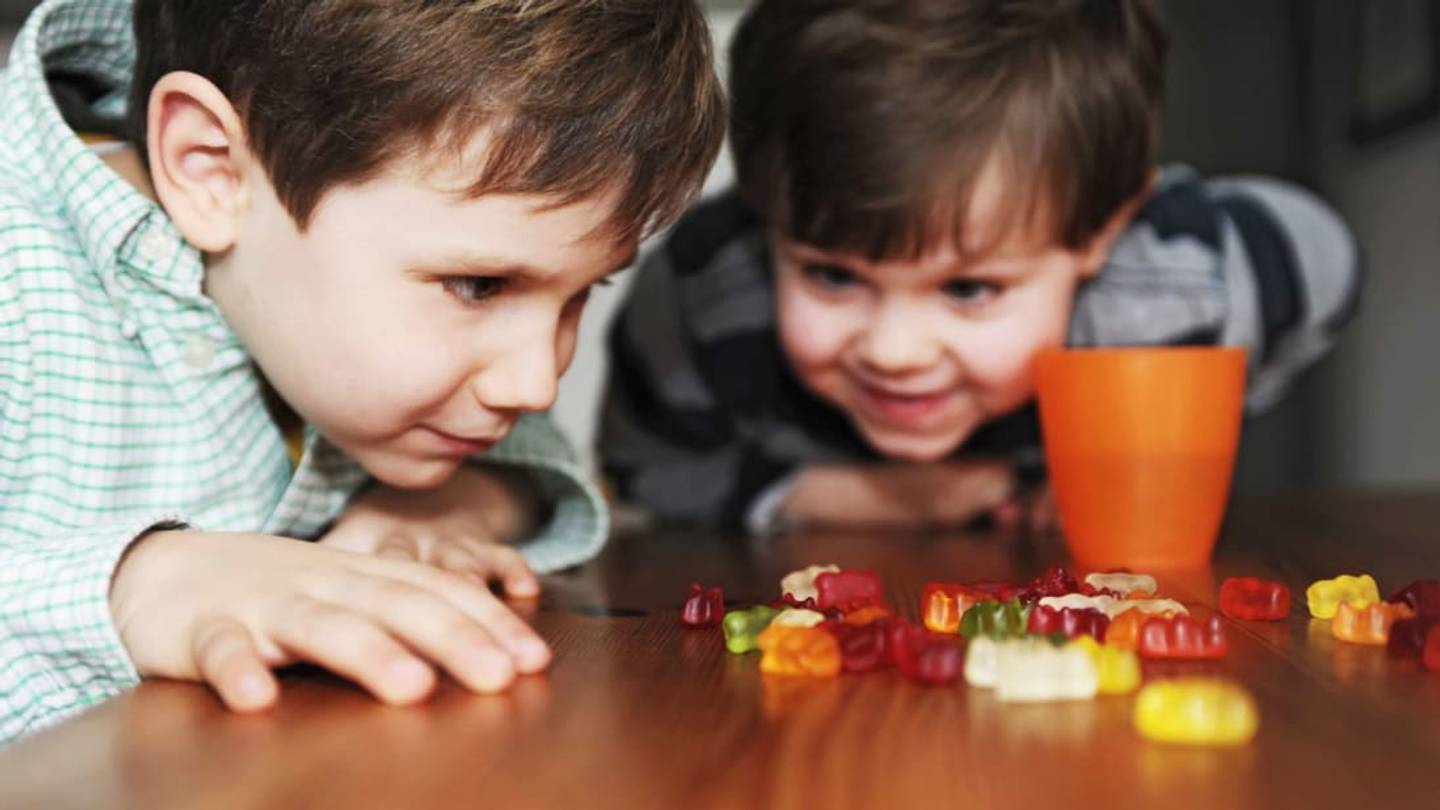
Fun Quotient: Deform gummy bears by dunking them in a variety of potions.
Teaches: Osmosis, and which kinds of liquids do it best.
Fun Quotient : Animate a cartoon the old-fashioned way.
Teaches: Your eyes arenât entirely reliable. Optical illusions occur because our brains fill in the gaps for whatever our eye isnât processing, so two pictures become one.
Find it: Science Sparks
Fun Quotient: Itâs tough to get started, but the payoff is clatter and splatter.
Teaches : A demonstration of potential energy, kinetic energy, and chain reactions.
Find it: The Kid Should See This
Fun Quotient: Slow and steady wins here; kids with an artistic streak will love creating designs as the colors move through liquids.
Teaches: Why oil and water don't mix. Kids will witness how molecules of water, fats, and proteins come together and move apart in different substances.
Find it: American Chemical Society
Loading recommendations... Please wait while we load personalized content recommendations