They crawl, slither, fly, wriggle, and squirm into your garden. These little buggers are here to help. Donât kill themâconsider them your friends!
There are 40,000 different species in the family Carabidae, 2000 of which live in North America. Rarely flying and often black, these insects have a tough shell to protect them from predators while theyâre hunting prey themselves: They get rid of garden pests like aphids, flies, maggots, slugs, and other creatures hell-bent on destroying your garden (although some members, such as the genus Zabrus , are classified as pests, especially during droughts).
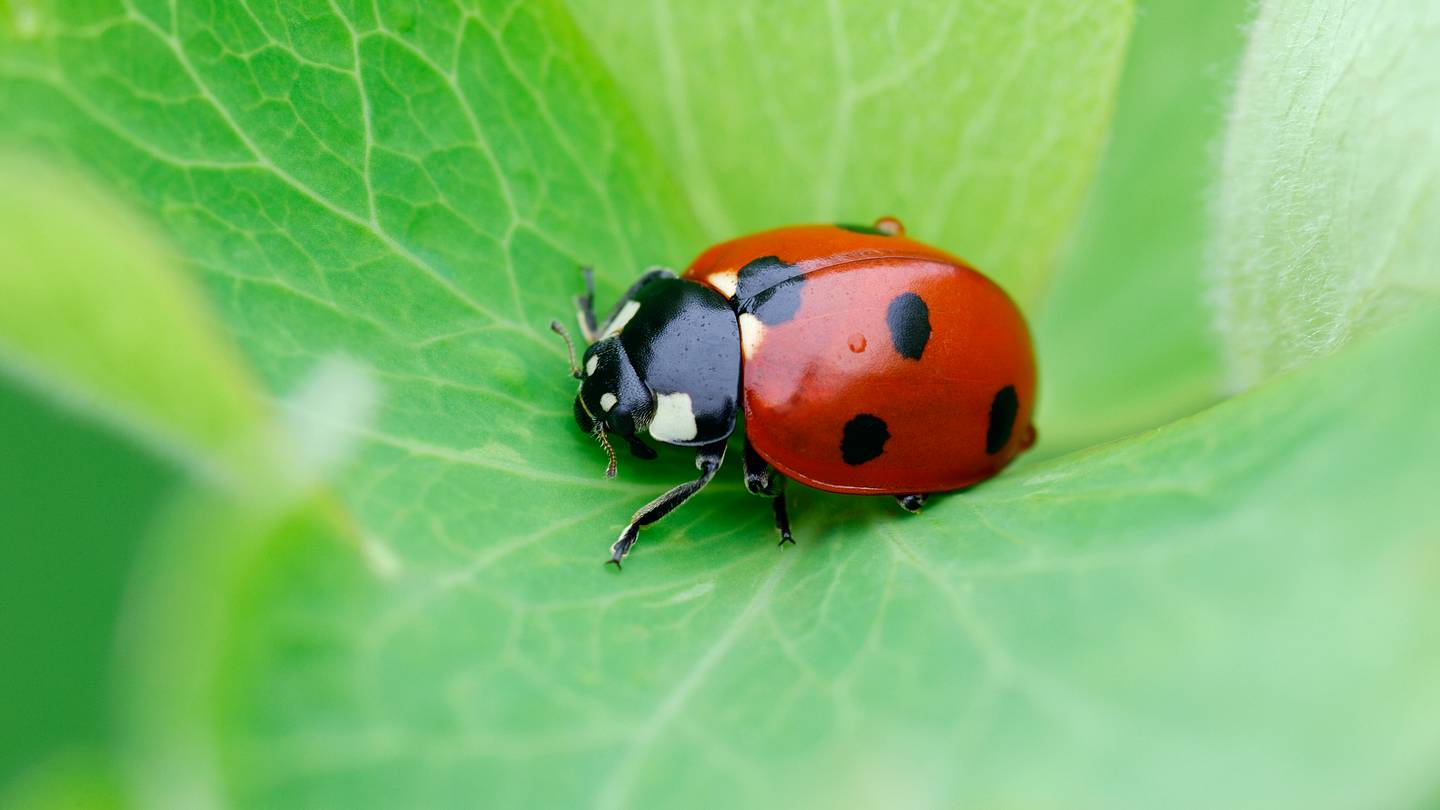
Gardeners who have an aphid problem should consider buying ladybugs in bulk. When released correctly (at twilight, into a damp garden filled with pests), these beautiful beetles will settle in and hopefully procreate; when their eggs hatch, the spiny, black-and-orange ladybug larvae will make an all-they-can-eat buffet of pests like mites, scale, and aphids. (Adults will chow down, too, just not as heartily.) The beetlesâwhose bright colors discourage predators from eating themâare also attracted to gardens by flowers like marigolds and plants such as dill and chives.
These long-beaked bugs are so great for your garden that experts say you should actively try to attract them. âHerbs such as dill, fennel, lavender, coriander, or chamomile should be planted to attract damsel bugs for shelter and food,â Kelly Allsup, a University of Illinois Extension horticulture educator, said in a university news article . Once in your garden, theyâll grab small caterpillars, leaf hoppers, aphids, and beetle larvae with their front legs and use their beaks to suck them dry.
As adults, these beautiful insects typically prefer pollen and nectar. But as larvae theyâre voracious, chowing down on as many as 60 aphids in an hour (which is probably how they earned the nickname âaphid lionâ). They also take care of mealy bugs, spider mites, and insect eggs.
Many stink bugs cause damage to plants, but these arthropods are your friends: They prey on more than 100 species , including pests like the larvae of cabbage worms, the Mexican bean beetle, and the Colorado potato beetle. In at least one case, a single spined soldier bug devoured 100 army worm larvae over the course of a season. They can be identified by the âspikesâ on each shoulder.
Donât worry: Though these yellow- and black-banded flies have looks and a diet in common with bees (as adults, they, too, are pollinators that eat pollen and flower nectar), they canât sting you. Hoverfly larvae love to feast on aphids , which they suck dry; a single hoverfly larvae can consume as many as 400 aphids before it becomes an adult. Fun fact: Adult hoverflies are also sometimes known as âsweat beesâ because, in dry years, theyâll land on people and drink a little of their sweat.
A healthy garden starts with a good base, and earthworms will help with that. These invertebrates eat their way through dirt, loosening soil to introduce water and air, which in turn helps roots to grow. (The burrows also help with irrigation and drainage .) The worms remove debris on the surface of gardensâlike dead grassâand excrete nutrient-rich castings, which will fertilize your plants.
Read More About Insects:
A version of this story originally ran in 2017; it has been updated for 2025.