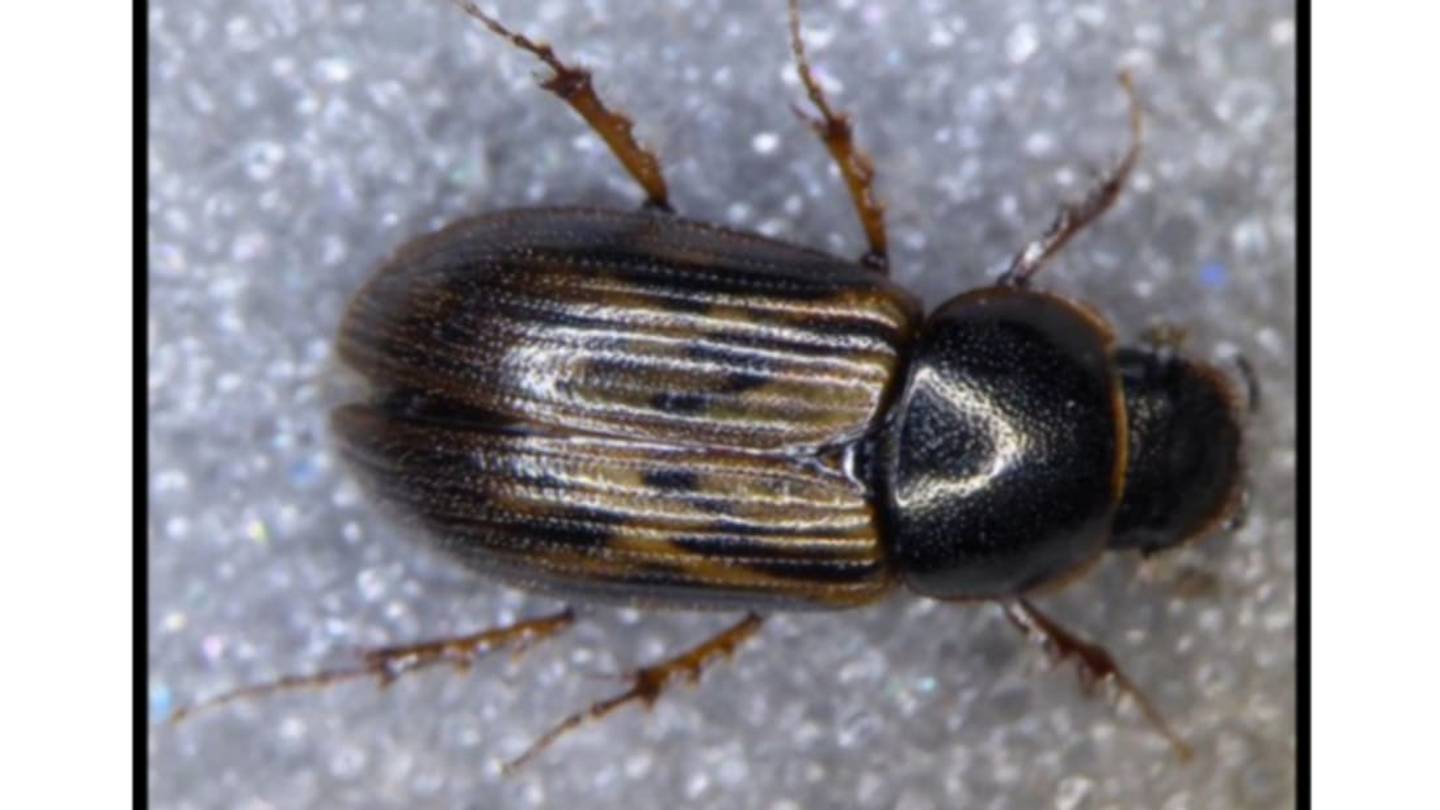
A dung beetle is easy enough to picture: a squat, shiny little bug determinedly pushing its smelly treasure homeward. We picture them rolling their balls of dung across burning Egyptian sands, or under a hedge in the grasslands of Kenya. But a European dung beetle? Thatâs a little harder to imagine.Â
It shouldnât be. Dung beetles live on every continent except Antarctica . Theyâre literally all over the place, tidying up after larger animals from China to Peru. There are more than 100 species of dung beetle in the UK alone.Â
Sally-Ann Spence hopes to find them all. Spence is a researcher with the Dung Beetle UK Mapping Project, or DUMP (probably not an accident). The goal of DUMP is to create an enormous database of information on UK dung beetles. The beetles have enormous value, and not just to scientists; dung beetles save UK cattle ranchers an estimated £367 million ($550 million USD) each year. All their burrowing into the ground aerates the soil, which lets rainwater and nutrients seep in.Â
Spence and her colleagues volunteer their own time to conduct the researchâresearch that often involves combing through cow pies. âWe have become connoisseurs of fine dung,â Spence told the BBC . â[Weâre] not adverse [sic] to feeling the texture or giving it a good sniffâyou can tell a lot about an animalâs health by its dungâwe will examine it meticulously for beetles."Â
It was during one of these examinations that Spence found Aphodius affinis . Spence was on the island of Jersey for another research project and decided to do a little poking around. The reward for her curiosity was a single specimen of A. affinis , a beetle so small it could fit on the tip of a pinky.Â
The beetle is the first of its kind ever spotted on the island, a fact that excited local entomologists. Roger Long is chairman of the Société Jersiaise âs entomology section. âDung beetles are very important to the health of cattle herds and the meadows they feed in,â he told the Jersey Evening Post . âIf we had no dung beetles, fields would be knee-deep in cattle dung.âÂ
Want to learn more? Follow #dungathon  on Twitter. Â
Loading recommendations... Please wait while we load personalized content recommendations