Choosing the birth control method is a very personal decision which will require you to know your body, your lifestyle, and reproductive intentions. Intrauterine devices (IUDs) are one of the best long-term alternatives that can…
Choosing the birth control method is a very personal decision which will require you to know your body, your lifestyle, and reproductive intentions. Intrauterine devices (IUDs) are one of the best long-term alternatives that can be implemented today. The term iud insertion may appear a bit clinical or even frightening, but with the knowledge of what to expect, as well as what happens before, during, and after the process, you can proceed with the procedure with optimism.
The guide divides everything you need to know into a concise, comforting, and realistic manner to make better-informed choices regarding IUD birth control with a lower amount of panic and increased confidence.
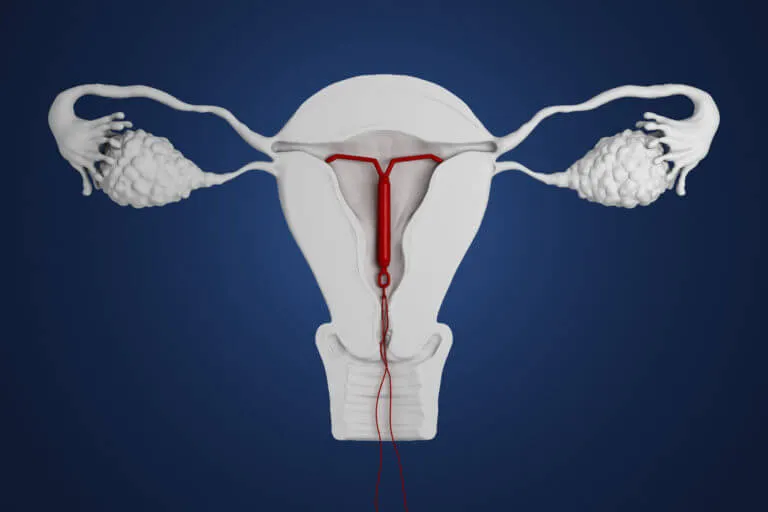
Intrauterine device is a small T-shaped birth control device which is put into the uterus to prevent conception. These are two broad categories:
The two are very efficient, durable and reversible. The decision between the two lies to the preference, medical history, and side-effect profiles.
IUDs are appropriate to most individuals such as those who desire long term security without the day to day care. Qualified individuals usually feature individuals who:
IUDs are not suitable to all people including those with some reproductive tract infections, untreated sexually transmitted infections or certain abnormalities of the uterus. A medical professional can assist in knowing what is the best.
Knowing how to get ready in advance can help to eliminate nerves and make it easier:
It is not about technical perfection but rather about a sense of being knowledgeable and encouraged.
The IUD can be inserted in several minutes. The following is what usually occurs:
Positioning: You are on an exam table with your feet in stirrups, same as a pelvic exam.
The majority of the patients experience the pressure or the cramping but this process is not very long and it can be tolerated by many.
There is a wide range of sensitivity. The others also get mild cramps or pains like menstrual cramps. The presence or absence of other individuals may exert greater pressure at the time of insertion. It’s normal to have:
In case of painful experience, or when it continues more than a few days, see a health professional.
Aftercare after installation of IUD: Once the device is installed, additional care is paid to ensuring that your body adjusts to it:
Majority of individuals resume normal activities in a day.
Other advantages can be low levels of menstrual bleeding or menstrual cramps using hormonal IUDs.
Read Also: Futuristic fashion Trends Shaping Tomorrow’s Style
The insertion of IUD can be very intimidating, but with the knowledge of how it goes, it will be much easier. Having the right preparation, support and information, it is an easy choice that an option that most individuals use effectively in their lives. In case you want to use an IUD , discuss your goals and preferences, and your concerns with one of the medical professionals. The better informed you are the more empowered you will be in the choice of birth control.